Restroom Trailers provide numerous eco-friendly advantages that make them a responsible choice for both short-term and long-term use. Primarily, these units are designed to minimize water usage, employing efficient flushing systems that significantly reduce consumption compared to traditional restrooms. Additionally, the materials used in construction often incorporate recycled plastics and sustainable resources, contributing to a reduced environmental footprint during manufacturing. The solar-powered lighting systems further exemplify this focus on sustainability, as they harness renewable energy to maintain a bright and welcoming interior without additional energy consumption. Beyond these features, the portable nature of Restroom Trailers ensures that they can be relocated with minimal environmental disruption, making them ideal for outdoor events or temporary placements where infrastructure development is not feasible. Furthermore, professional maintenance services ensure that waste management processes comply with environmental regulations, reducing the risk of contamination and promoting responsible sanitation practices. Collectively, these aspects underscore the commitment to an eco-conscious approach, offering an effective solution that aligns cleanliness with ecological responsibility. As environmental conservation becomes increasingly vital, selecting Restroom Trailers empowers event organizers and businesses to partake in sustainable practices that support long-term ecological health. Additionally, these trailers offer the flexibility to adapt to various settings and needs, encouraging more widespread adoption of green sanitation solutions. Since they are versatile and efficient, they provide a robust alternative to conventional restroom facilities, making sustainable sanitation more accessible. With these eco-friendly benefits, Restroom Trailers not only support the planet but also demonstrate proactive leadership in environmental stewardship, a valuable attribute for any business or community event aiming to minimize its ecological impact.

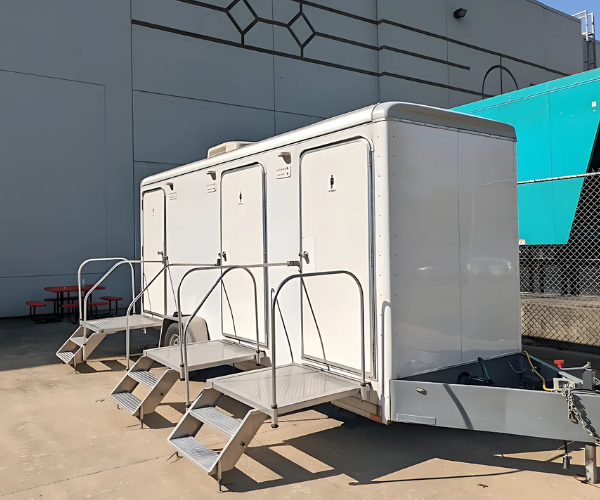
Restroom Trailer Rentals in Queen Creek, Arizona
Call today for a free quote (602) 353-7526
Restroom Trailer
Fast, Easy, & 100% Free To Get Started
Over 20 Years Of Excellence
Boasting over two decades of dedicated service, our company in Queen Creek has established itself as a trusted name. We commit to quality, forge strong community connections, and ensure customer satisfaction by providing top-notch restroom solutions.
Quality Service You Trust
We stand behind our commitment to delivering excellent and reliable service. Our quality restroom trailers are maintained to the highest standards, ensuring your satisfaction for every event or project.
Prompt and Reliable Delivery
Our team ensures quick and dependable delivery of restroom trailers, respecting your schedule. We are committed to providing timely solutions tailored to meet your specific needs.
Convenient Restroom Trailer Solutions in Queen Creek
Call for a Free Quote Today
(602) 353-7526
Welcome to our premier Restroom Trailer company situated in the heart of Queen Creek. We pride ourselves on being a dependable, locally owned business known for reliability and excellence. From bustling construction sites to intimate weddings, lively festivals, and upscale parties, our trailers provide the perfect sanitary solution. Serving Queen Creek and surrounding areas, we are dedicated to offering seamless and hassle-free services. Trust in a company that understands your needs for cleanliness and practicality. With our diverse range of units, every event becomes a comfortable and memorable experience.
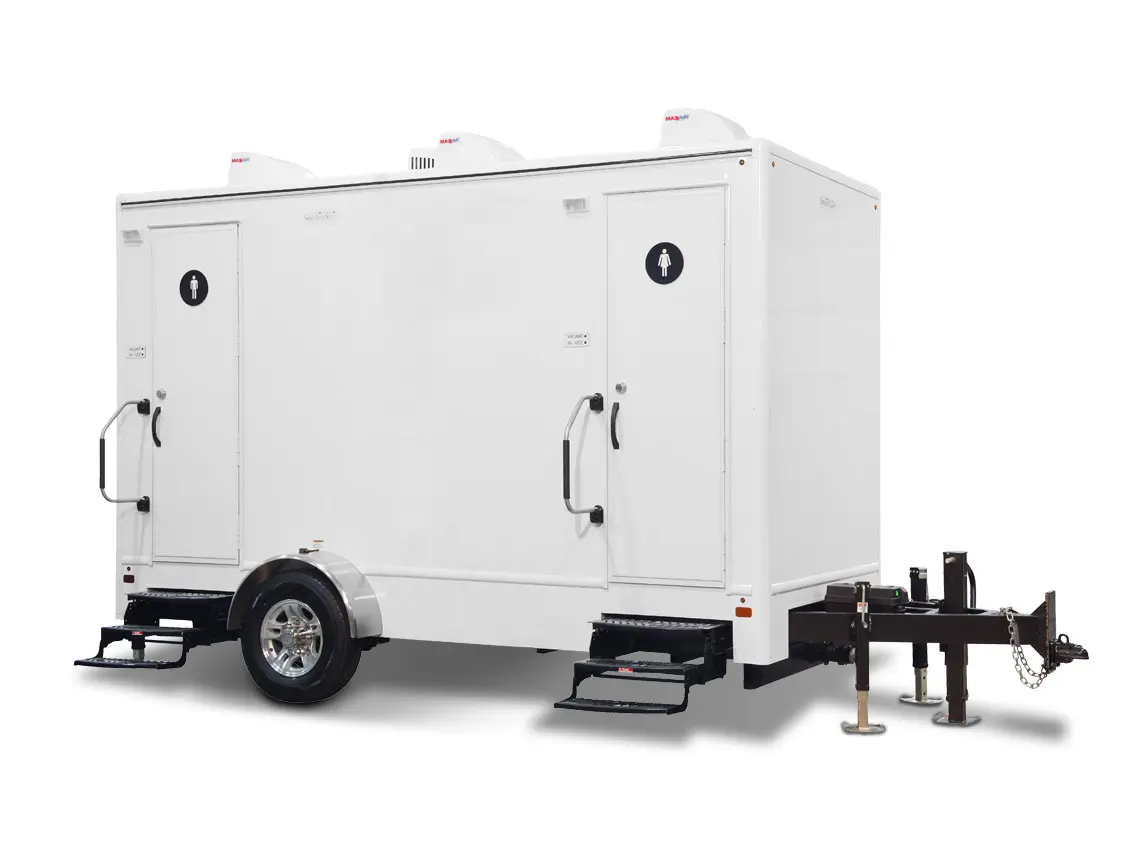
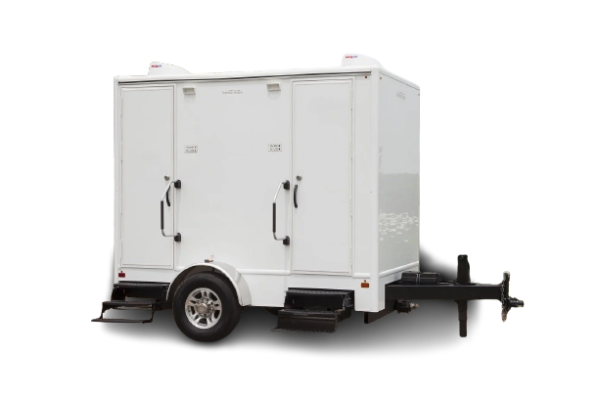
A compact, stylish solution featuring separate entrances for men and women.Each private suite includes flushing toilets, sinks with running water, interior lighting, and climate control for comfort at any event or worksite. (We offer variants 2–10 stalls.)
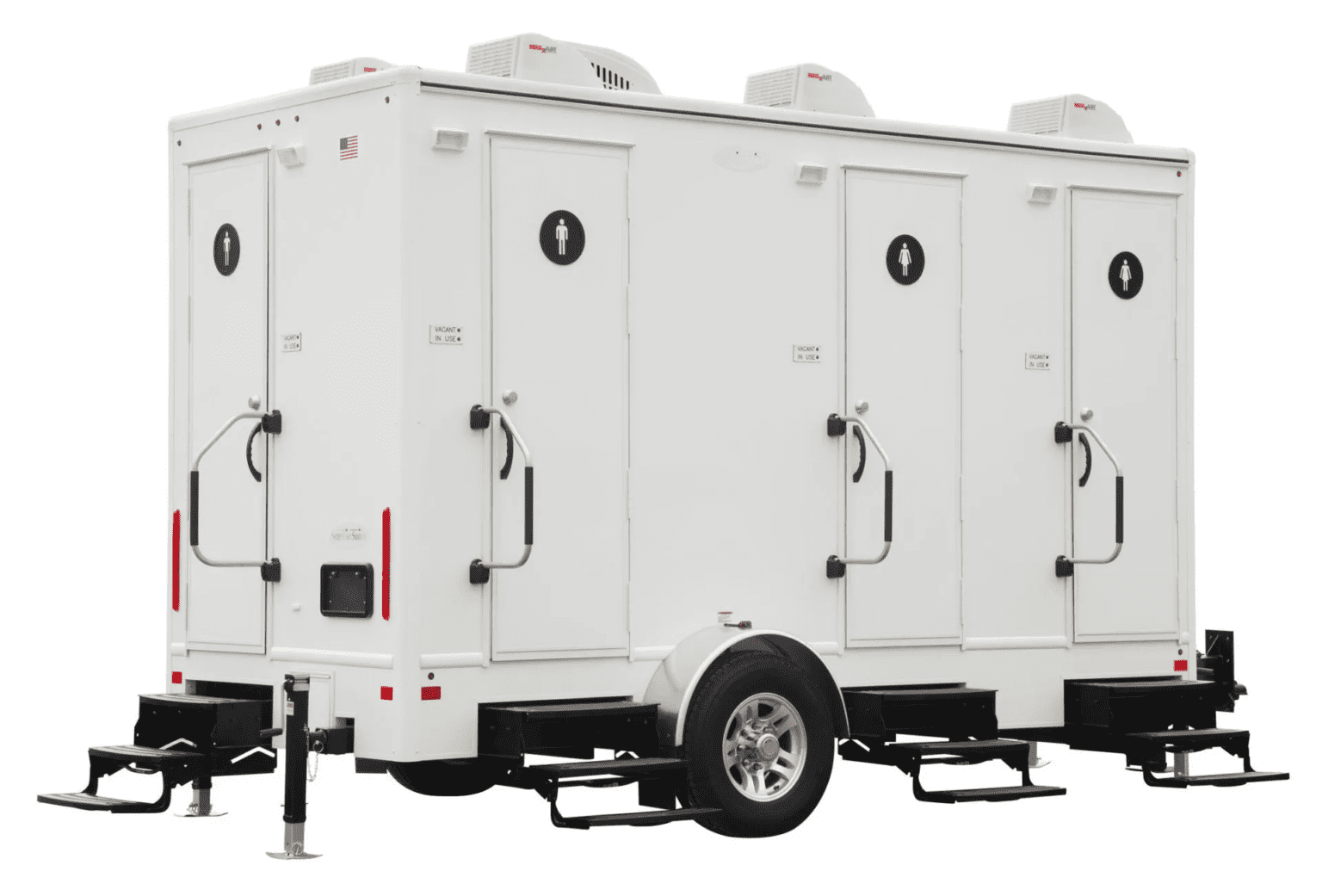
Designed for higher guest capacity, this unit offers four private, individual restrooms with flushing toilets, sinks with running water, interior lighting, and climate control. Ideal for weddings, festivals, and busy job sites.(We offer variants 2–10 stalls.)
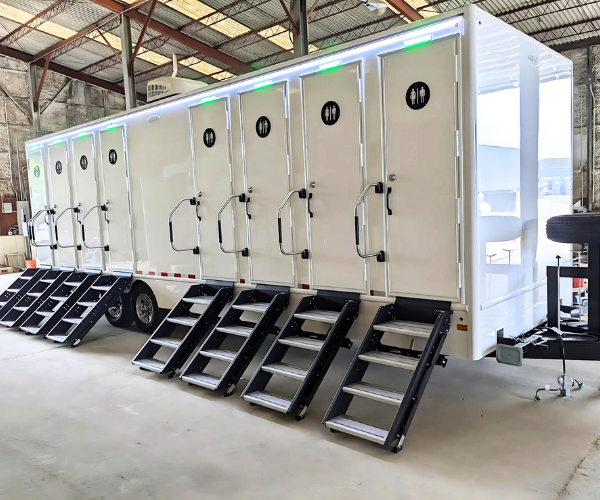
Perfect for large events and high-traffic sites, this spacious trailer provides eight private stalls, each with a flushing toilet, sink with running water, interior lighting, and climate control. A reliable, upscale solution for maximum convenience and comfort.(We offer variants 2–10 stalls.)
We Proudly Serve
Standard Portable Toilets
Offering quality standard portable toilets for various needs across Queen Creek, keeping events and job sites comfortable and sanitary.
High Rise Portable Toilets
Delivering high-rise portable toilets for construction needs in Queen Creek, providing elevated sanitation solutions for tall building projects.
Restroom Trailers
Queen Creek's go-to for luxury Restroom Trailers, perfect for any event needing a touch of class and superior sanitation.
Roll off Dumpsters
Rent-A-Can offers reliable roll-off dumpster services in Queen Creek, ideal for projects that require efficient and thorough waste management.
Septic Tank Cleaning
Providing expert septic tank cleaning services in Arizona, Rent-A-Can ensures sanitary solutions across Queen Creek's residences and businesses.
Grease Trap Cleaning
Professional grease trap cleaning services in Queen Creek, Arizona, maintaining the hygiene and efficiency of your establishment's kitchen.
Fencing & Barricades
Rent-A-Can supplies fencing and barricades across Arizona, ensuring security and organization at events and construction sites alike.
Residential Storage
Convenient residential storage solutions available in Queen Creek, providing secure and affordable options for personal storage needs.
Queen Creek Portable Restroom Trailers
Getting a quote and arranging delivery for a Restroom Trailer is a straightforward and efficient process with our company. Our website is designed for ease of use, allowing potential clients to effortlessly find the information they need. To obtain a quote, customers can either fill out the forms located at both the top and bottom of every page or simply click the 'Get A Quote' buttons conveniently placed throughout the site. The form requires you to provide basic information such as your first name, last name, phone number, and email to streamline communication further. Once completed, our responsive team promptly reaches out to tailor a solution that fits your event or project specifications perfectly. Our streamlined process ensures that you receive a detailed and competitive quote quickly, with no hidden fees or surprises. After confirming the details, our experienced logistics team takes over, coordinating the delivery to your location at a date and time that suits your schedule. Rest assured, when you choose our services, you benefit from transparent communication, professional handling, and a commitment to punctuality and quality.
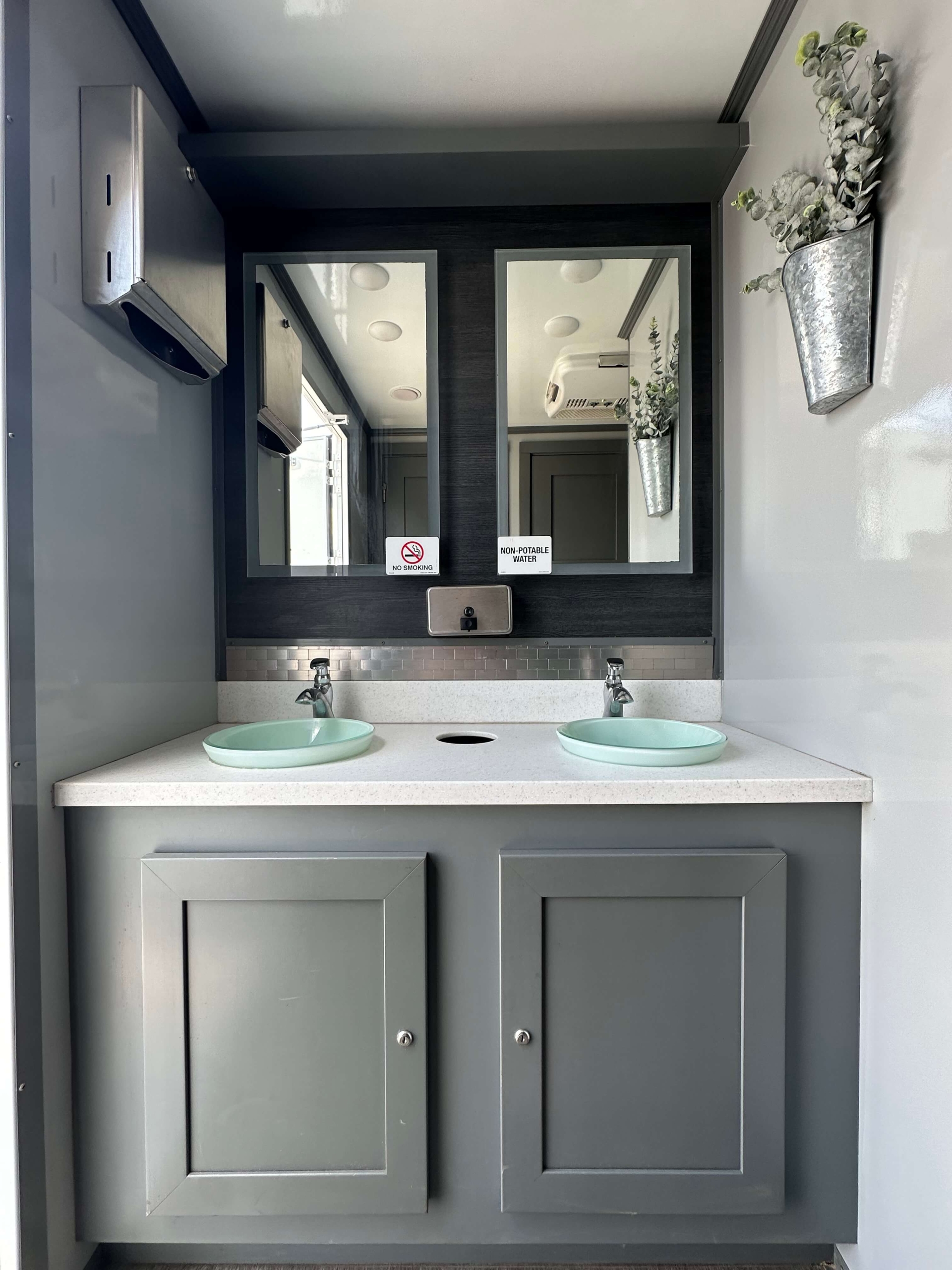
Experience the best of Queen Creek as you host unforgettable events with our exemplary Restroom Trailer services. Whether you're organizing a family gathering near the picturesque Queen Creek Olive Mill or planning a corporate retreat with views of the San Tan Mountains, our trailers ensure comfort and style. Queen Creek's vibrant community rallies around festivals and celebrations, like the annual Roots N' Boots Rodeo. Our top-of-the-line Restroom Trailers provide cleanliness and reliability in any setting, from the scenic parks to intimate garden parties. Local charms such as Schnepf Farms are made more accessible and enjoyable with our convenient restroom solutions. Enhancing every occasion, our services offer a touch of convenience amid the area's natural beauty and bustling community spirit.
Leading the way in sanitary rentals in Queen Creek, our Restroom Trailer services deliver exceptional quality. As a proud local business, we address the community's needs, offering unparalleled convenience to this vibrant area.Why are we the best? Our reputation for outstanding quality, customer service, and innovative solutions stems from our dedication to the people of Queen Creek. We exceed expectations to provide exceptional services.Trusted by many, we deliver not only top-tier restroom solutions but also an unforgettable service experience. The lively events in Queen Creek merit nothing less than our Restroom Trailers.
Timely and effective services define our company. We meticulously meet your Restroom Trailer needs, addressing each unique requirement with precision. This commitment to excellence and reliability has shaped our reputation.Fast setups and swift responses distinguish us. Our team, driven by a strong community focus, delivers exceptional speed and dependability for Restroom Trailer services in Queen Creek.Your convenience is our priority. Our dedicated team, available around the clock, ensures prompt delivery and setup. We facilitate seamless events, free from unnecessary delays or complications.
Discover Our Restroom Trailers in Queen Creek
Renting a Restroom Trailer in Queen Creek is made easy with our streamlined process designed to accommodate your specific needs with efficiency. To initiate your rental, you can begin by filling out our straightforward forms, which are conveniently placed at both the top and bottom of each page on our website. Alternatively, you can utilize the 'Get A Quote' buttons found throughout our pages, which will direct you to the necessary forms. These applications require a few essential details, including your first name, last name, phone number, and email address, base essentials that allow us to serve you better. Upon submission, our dedicated team will promptly reach out to discuss your unique requirements and provide a comprehensive and transparent quote tailored to your event or project specifications. Our representatives are committed to clarity and will ensure that all costs and services are detailed upfront, preventing any unexpected surprises along the way. Once you accept the terms, our logistics experts coordinate the timely delivery of the selected Restroom Trailer to your designated location, considering your schedule and event timeline. This organized approach not only guarantees punctuality but also emphasizes a hassle-free experience from start to finish. We pride ourselves on delivering excellent customer service by being flexible and accommodating, adapting our services to fit the dynamic needs of Queen Creek's vibrant community. The whole process is designed to be seamless and efficient, ensuring that you receive the best possible service with minimal effort. Whether for a community function, wedding, corporate gathering, or construction site, rest assured that your sanitation needs are in capable hands. Join the numerous satisfied customers who have experienced the ease and convenience of renting top-quality Restroom Trailers with our company.
The typical delivery timeframe for Restroom Trailer orders is designed to accommodate various customer needs by being as flexible as possible. Generally, Restroom Trailers can be delivered within 24 to 48 hours after the order confirmation, depending on the specific requirements and location. Our streamlined and efficient process ensures that we can adapt to different schedules, whether there is a last-minute request or an advance booking for a planned event. We maintain a robust inventory and flexible delivery teams to guarantee timely service even at peak times. Our logistics professionals work diligently to accommodate your preferred time frame, meeting the event's specific needs while considering any particular site setup challenges or accessibility considerations. Cooperation with customers is key, and providing clear and concise communication is emphasized from the initial quote to final delivery. We stay in contact to update you on the progress and availability, ensuring that you are fully informed every step of the way. This commitment to excellence and transparency reflects our dedication to providing seamless restroom solutions for Queen Creek's community and events. Our ability to meet these demands swiftly and efficiently makes us a trusted choice in the region, reinforcing our commitment to reliability and excellent customer service. In choosing our Restroom Trailer services, you can expect nothing less than punctual and professional delivery tailored perfectly to your event's timeline.
Yes, we proudly offer comprehensive services for all types of events and construction projects, meticulously tailored to meet diverse needs. Whether you're hosting a lively festival, spirited community sporting event, elegant wedding, corporate gathering, or family reunion, our versatile range of portable restroom solutions, including Luxury Restroom Trailers, guarantees comfort and convenience. Additionally, we serve construction sites, delivering robust and functional facilities suited to the demanding environment. Our offerings feature not only top-quality restroom trailers but also porta potties, roll-off dumpsters, and sophisticated fencing and barricades for enhanced site organization and management. Furthermore, our ADA units, portable sinks, and hand sanitizer stations exemplify our commitment to accessibility and hygiene, ensuring all attendees and staff benefit from reliable sanitation facilities. Whether accommodating large crowds or managing long-term projects, we adjust our offerings to provide top-notch logistical support. Our multifaceted approach and dedication to excellence establish us as the go-to service provider in Queen Creek, Arizona, committed to elevating comfort and satisfaction with every rental. We pride ourselves on a seamless, efficient process from consultation to service execution, prioritizing customer satisfaction and reliability at every turn.
