Fencing provides several eco-friendly benefits, notably by reducing the need for permanent structures, thereby preserving the surrounding environment. It offers flexibility in creating necessary barriers without causing long-term damage or requiring substantial materials. Additionally, temporary fencing such as chain link options can often be reused in multiple locations, minimizing waste and conserving resources. The materials used in fencing, like galvanized steel, are robust, resilient, and can be recycled, aligning with sustainable practices that promote environmental responsibility. By choosing temporary fencing solutions, we not only address immediate needs for security and enclosure but also contribute to a greener, more sustainable approach to land and resource management. Furthermore, fencing supports efficient land use, allowing spaces to be repurposed continually, which is crucial in urban planning and development to mitigate ecological impact. As the world becomes increasingly aware of environmental issues, adopting fencing as part of a strategic, eco-friendly decision can benefit broader sustainability goals, ensuring that protective measures do not come at the expense of our natural surroundings.


Fencing Rentals in Tolleson, Arizona
Call today for a free quote (602) 353-7526
Fencing
Fast, Easy, & 100% Free To Get Started
Over 10 Years Of Experience
For over ten years, our fencing company has been a dependable partner in Tolleson. With deep community connections and a strong focus on quality, we are dedicated to surpassing customer expectations.
Unmatched Quality Service
With a focus on superior quality, we deliver fencing solutions that stand the test of time. Our commitment to excellence ensures each project is executed to the highest standards, guaranteeing customer satisfaction.
Fast And Reliable Delivery
We use efficient processes to guarantee prompt delivery of all fencing orders, giving you peace of mind for your scheduled projects. Trust us for reliable, on-time service.
Secure Fencing Solutions in Tolleson
Call for a Free Quote Today
(602) 353-7526
Discover the finest fencing company in Tolleson, proudly serving our community with dependable and reliable service. Locally owned and deeply rooted in the area, we take pride in providing fencing solutions for all your needs. Whether you're planning a construction site, party, festival, or wedding, our expert team is ready to secure your event with precision and care. Serving not only Tolleson but also neighboring communities, we ensure quality and professionalism in every project. Trust us for seamless execution and satisfied clients every time.

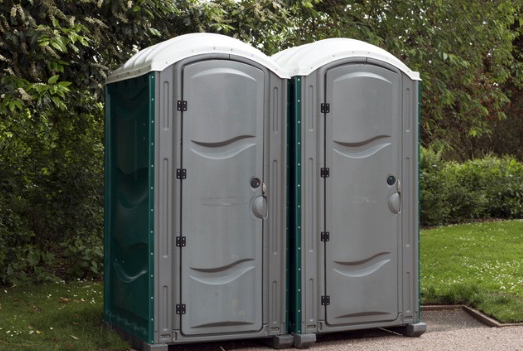
Durable, single-unit restroom with ventilation, an “In-Use” locking mechanism, and a hand sanitizer dispenser. A practical, sanitary solution for construction sites, events, and outdoor gatherings.
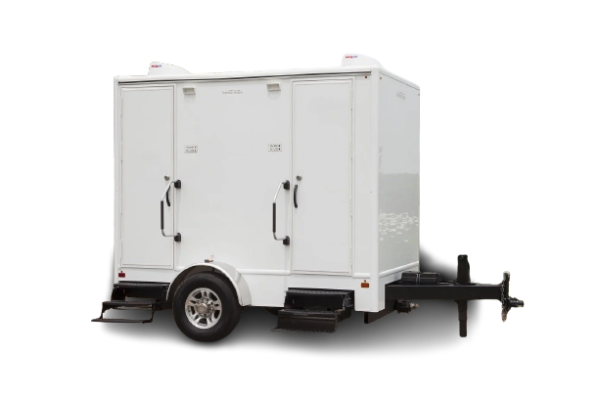
Multi-stall facility featuring flushing toilets, sinks with running water, interior lighting, and climate control. Perfect for weddings, festivals, and VIP events.
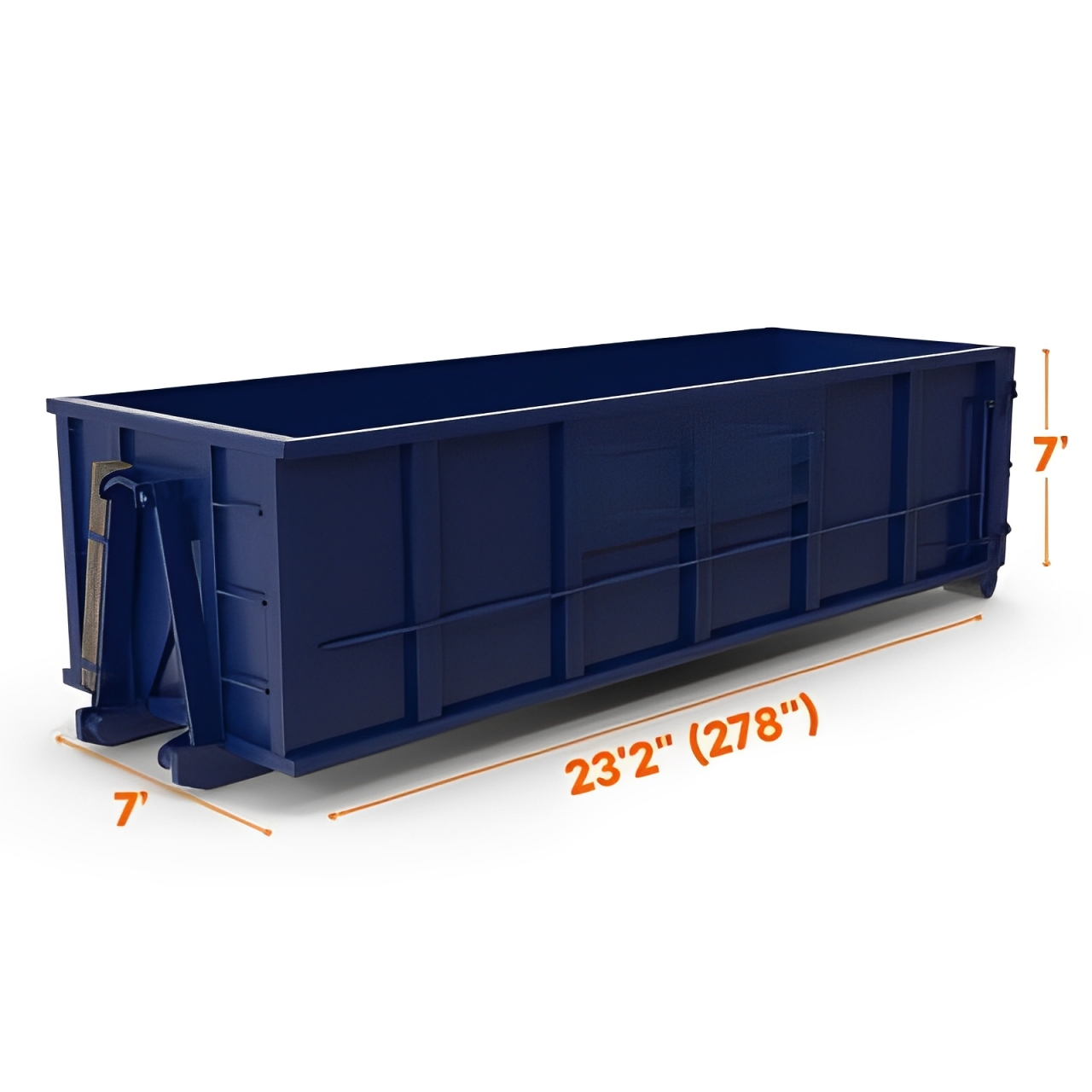
Large, open-top waste containers ideal for construction debris, home renovations, and cleanouts. We offer sizes ranging from 16-yard to 40-yard dumpsters to fit any project’s needs, ensuring easy, efficient disposal at your site.
We Proudly Serve
Standard Portable Toilets
Offering Rent-A-Can's standard portable toilets across Arizona for convenience and reliability.
High Rise Portable Toilets
High-rise portable toilets available in Tolleson, ensuring accessibility for elevated construction sites.
Restroom Trailers
Providing luxury restroom trailers in Tolleson through Rent-A-Can for all event needs.
Roll off Dumpsters
Roll off dumpsters from Rent-A-Can offer efficient waste management solutions in Tolleson.
Septic Tank Cleaning
Professional septic tank cleaning services by Rent-A-Can ensure hygiene and maintenance across Arizona.
Grease Trap Cleaning
Rent-A-Can offers comprehensive grease trap cleaning in Tolleson to keep kitchens running smoothly.
Fencing & Barricades
Providing durable fencing and barricades solutions through Rent-A-Can in Arizona for security and organization.
Residential Storage
Rent-A-Can offers secure residential storage options in Tolleson, Arizona for all your needs.
Tolleson Fencing and More
Renting fencing has never been easier or more convenient. Customers looking for dependable fencing solutions in Tolleson can quickly get a quote and arrange delivery with minimal hassle. Our streamlined online platform allows you to request quotes effortlessly. Fill out our simple form with your basic details—first name, last name, phone number, and email—and click 'Get A Quote' located throughout our pages. Our prompt response team is committed to providing a comprehensive custom quote that matches your specific needs. Once agreed upon, we swiftly confirm your order and schedule the delivery at your convenience. With our efficient logistics network, we are capable of delivering fencing to your location with remarkable speed, ensuring your projects stay on track. Enjoy peace of mind knowing that your fencing needs are in the hands of professionals who prioritize customer satisfaction above all.

Experience the charm of Tolleson with our reliable fencing services that blend seamlessly into any event or project, providing both beauty and security. Our local expertise in Tolleson ensures that we cater to unique tastes, reflecting the vibrant community spirit, especially around events like the annual Whoopee Daze festival. Our fencing solutions not only offer protection but enhance outdoor attractions, making us a favorite choice for community events and nature-aligned activities. Convenience and reliability define our service, as we deliver quality fencing that meets the diverse needs of Tolleson residents, whether for large gatherings or intimate functions.
When it comes to fencing in Tolleson, we are the undisputed leaders, known for our exceptional service and unbeatable quality. Our commitment to customer satisfaction sets us apart, ensuring each client receives personalized attention and solutions tailored to their needs. Our extensive experience and local knowledge mean we are always ready to offer the best fencing solutions that fit Tolleson's unique character. Choose us for our reliability, professionalism, and a proven track record of excellence that speaks for itself.
Fast and reliable fencing services are easily accessible because our streamlined operations focus on customer convenience. We know how crucial timely installations are, and our dedicated team guarantees your fencing is delivered and set up on schedule. Whether you need to secure a construction site or prepare for an event, you can rely on us for swift service without sacrificing quality. Our commitment to excellence results in dependable fencing that meets any scenario’s demands.
Tolleson Fencing: Learn More
Renting fencing in Tolleson is made simple through our user-friendly process designed for convenience and efficiency. Start by visiting our website, where you'll find 'Get A Quote' buttons prominently displayed throughout the page. To begin, simply click on one of these buttons to access our quote form. Here, you'll input essential details such as your first name, last name, phone number, and email, ensuring we can efficiently process your request. Upon submission, our dedicated team swiftly reviews your information to provide a detailed quote tailored to your fencing needs. Once you receive your custom quote, you can confirm your order, after which we'll promptly arrange for delivery to your specified location. Our team ensures that the fencing setup aligns with your schedule, making the entire process seamless and convenient for you. We prioritize your needs, ensuring effective communication every step of the way, so you can focus on the success of your project or event, knowing your fencing requirements are expertly managed.
Understanding the urgency often accompanying fencing needs, we are committed to providing swift delivery to ensure your operations proceed without delay. Once your order is confirmed, our standard delivery timeframe ensures your fencing is en route swiftly, typically arriving within 24 to 48 hours. Our logistic capabilities are designed to accommodate varied needs, providing flexibility and reliability regardless of order size or location within Tolleson. In situations requiring emergency deployment, we've streamlined processes to manage expedited requests effectively to meet pressing demands. Whether securing a bustling construction site or preparing for a large-scale event, the timely arrival and setup of your fencing is a priority. Be assured, with our comprehensive inventory and well-coordinated distribution, we stand ready to support your timeline, equipped to adapt to the evolving needs of each client and project.
Yes, our fencing services are versatile enough to accommodate virtually any event or construction site requirements. We pride ourselves on providing diverse, adaptable solutions capable of fulfilling the needs of festivals, sporting events, weddings, corporate engagements, family reunions, and an array of special gatherings. Our offerings include luxury restroom trailers, portable toilets, roll-off dumpsters, fencing and barricades, holding tanks, ADA-compliant units, portable sinks, and hand sanitizer stations. This array of products enables us to craft tailored solutions, irrespective of the event size or complexity. As your partner in planning and execution, our competent team handles logistics and setup with full commitment to excellence. From initial consultation to successful project completion, our focus remains on delivering quality service to assure memorable, trouble-free experiences for all involved.
