The eco-friendly advantages of using temporary fencing are manifold, making it a popular choice among environmentally conscious consumers. Firstly, temporary fencing products are often manufactured from recycled or recyclable materials, which significantly reduces environmental impact. This sustainable approach means less reliance on new raw materials, consequently lowering carbon footprints associated with production. Furthermore, the temporary nature of these fences means they can be reused across multiple sites or events, rather than generating constant demand for new products and their associated emissions.Additionally, temporary fences are highly durable, prolonging their life span which further enhances their eco-credentials. They minimize waste by withstanding various outdoor conditions without frequent replacements. Companies often employ eco-friendly production processes that adhere to strict environmental standards, reducing harmful emissions and pollutants. Moreover, employing temporary fencing encourages the organization of space, preventing unnecessary disruption of the natural environment in construction or event spaces.Besides the production and material benefits, temporary fencing offers logistical savings. It entails fewer transportation emissions when strategically deployed, thanks to its lightweight, modular design that optimizes load efficiency. Their flexibility minimizes land disturbance as they do not require foundational trenches or concrete footings, preserving the surrounding soil and vegetation. This sustainable touch, combined with functional versatility, positions temporary fencing as an exemplar of green innovation.Finally, as a modular fencing solution, the logistical efficiency extends to simplified installation and removal processes. This results in a saving in labor and energy consumption, critical components for companies aiming for eco-friendly operational procedures. In essence, temporary fencing solutions embody eco-friendliness by combining material wisdom, practical sustainability, and reduced ecological impact, supporting broader environmental conservation efforts.


Fencing Rentals in San Tan Valley, Arizona
Call today for a free quote (602) 353-7526
Fencing
Fast, Easy, & 100% Free To Get Started
Over 20 Years of Experience
With over 20 years of experience, our fencing company has become a trusted provider in San Tan Valley. Our enduring commitment to quality and deep community ties ensure customer satisfaction with every project.
Commitment to Quality
We are dedicated to delivering top-notch fencing services, ensuring every installation aligns with our rigorous standards and fulfills client expectations.
Fast, Reliable Deliveries
Our company is dedicated to quick delivery, ensuring your fencing needs are met promptly and efficiently, enhancing project timelines without compromise.
Secure Fencing Solutions in San Tan Valley
Call for a Free Quote Today
(602) 353-7526
In San Tan Valley, our fencing company stands as a beacon of reliability and local expertise, offering premier services designed to meet the diverse needs of our community. Our team is passionate about delivering dependable fencing solutions for events ranging from construction sites to weddings, ensuring safety and aesthetic appeal at every turn. As a locally owned business, we pride ourselves on our deep connection to San Tan Valley and the surrounding areas. With a commitment to quality, we are your trusted partner for festival perimeters or intimate party enclosures. Our service is marked by exceptional reliability and professionalism, making us the first choice for innovative fencing solutions. Let us help you make your next event a triumph with tailored fencing options that enhance and protect.


Durable, single-unit restroom with ventilation, an “In-Use” locking mechanism, and a hand sanitizer dispenser. A practical, sanitary solution for construction sites, events, and outdoor gatherings.
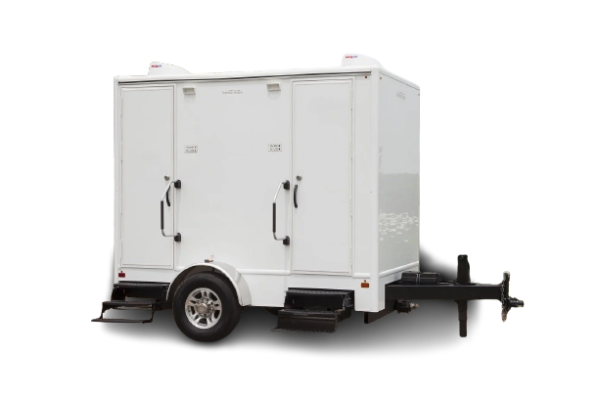
Multi-stall facility featuring flushing toilets, sinks with running water, interior lighting, and climate control. Perfect for weddings, festivals, and VIP events.
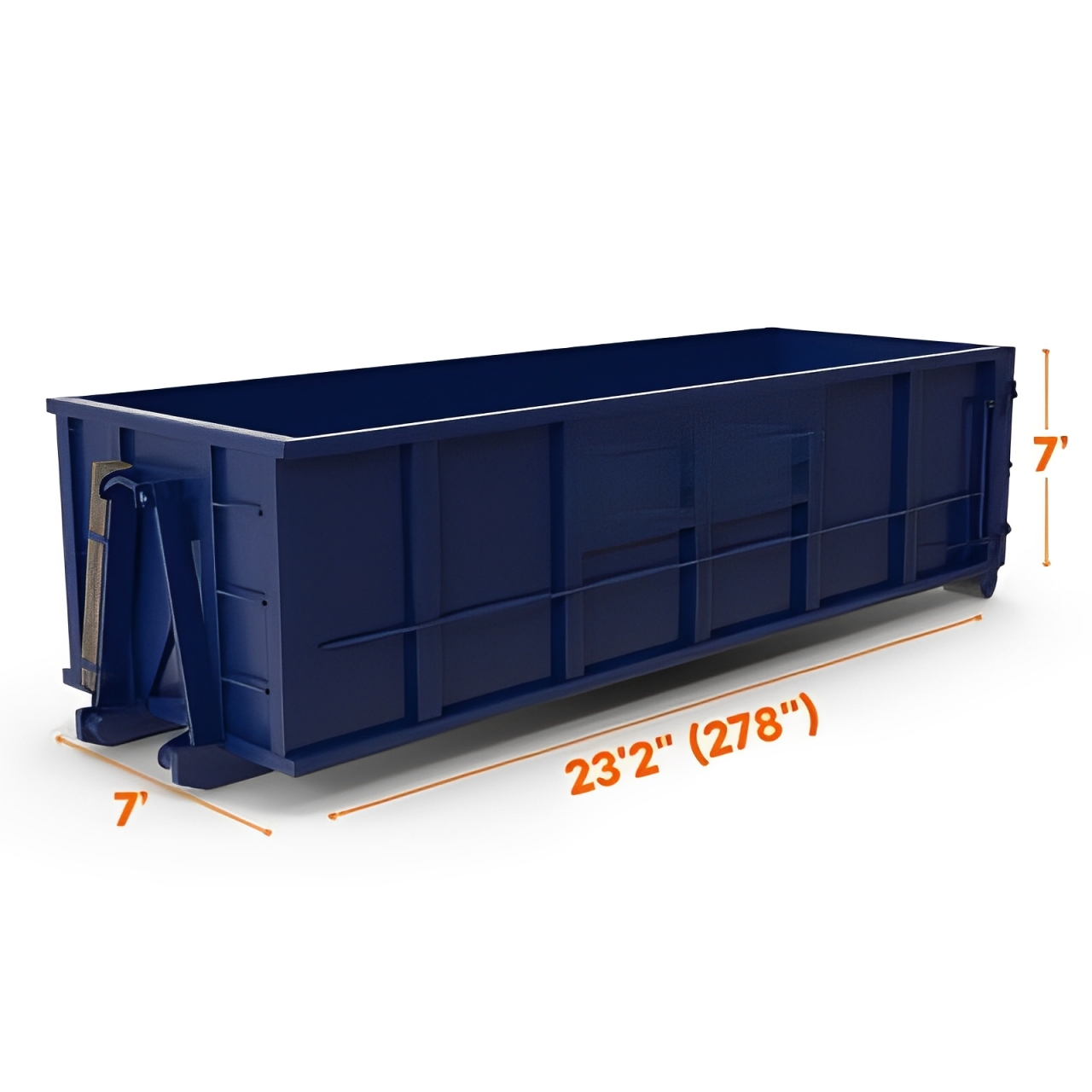
Large, open-top waste containers ideal for construction debris, home renovations, and cleanouts. We offer sizes ranging from 16-yard to 40-yard dumpsters to fit any project’s needs, ensuring easy, efficient disposal at your site.
We Proudly Serve
Standard Portable Toilets
Our Standard Portable Toilets service offers clean, reliable units for any event in Arizona's San Tan Valley.
High Rise Portable Toilets
High Rise Portable Toilets in San Tan Valley deliver comfort and convenience with modern features for elevated locations.
Restroom Trailers
Rent-A-Can's Restroom Trailers provide luxury and function at events in San Tan Valley.
Roll off Dumpsters
Our Roll Off Dumpsters offer efficient waste management solutions at Rent-A-Can in San Tan Valley.
Septic Tank Cleaning
Rent-A-Can's Septic Tank Cleaning ensures efficient waste disposal and system longevity in Arizona.
Grease Trap Cleaning
San Tan Valley's best in Grease Trap Cleaning, our service ensures hygiene and efficiency.
Fencing & Barricades
Rent-A-Can's Fencing & Barricades service offers secure, versatile solutions for Arizona events.
Residential Storage
Our Residential Storage service in San Tan Valley, Arizona, offers safe and accessible storage options.
San Tan Valley Fencing Solutions
Obtaining a quote for fencing in San Tan Valley is crafted to be as seamless and convenient as possible. We recognize the importance of our clients' timelines, so our online process is streamlined for a hassle-free experience. With just a few clicks, you can access our detailed forms located at the top and bottom of our website's homepage, allowing you to submit your personal details swiftly. By filling in your first name, last name, phone number, and email, you enable our team to initiate the quote generation process. Throughout the website, strategically placed 'Get A Quote' buttons provide instant access to our services, ensuring immediate timing from inquiry to action. We promise responsiveness and a focus on customer needs, reinforcing our reputation as a premier fencing contractor. Experience the convenience of modern-day service delivery as you partner with a local company committed to excellence in every form.

Fencing in San Tan Valley offers unique advantages that blend practicality with local charm. Nestled within vibrant community settings and alongside breathtaking natural attractions like the San Tan Mountain Regional Park, our fencing services provide both security and aesthetic enhancement. Designed to excel in any outdoor environment, our solutions are perfect for local festivals, family gatherings, or simply enjoying the vast landscapes San Tan Valley has to offer, especially during the Pinal County Fair. Clean, reliable, and convenient are the hallmarks of our service, ensuring that each fencing installation contributes to a seamless guest experience. Our reputation for quality makes us the top choice for fencing solutions tailored to local events and outdoor corporate ventures. As a locally owned business, we thrive on our connection with the community. Our commitment to providing eco-friendly, stylish, and effective fencing solutions enhances San Tan Valley's appeal, seamlessly integrating with its charming local attractions.
Selecting the premier fencing company in San Tan Valley requires more than excellent service; it demands unwavering dedication and a thorough grasp of the local landscape. Our company embodies these qualities by offering superior fencing solutions that not only secure but also enhance the beauty of your properties. With in-depth local expertise and a well-established reputation, we lead the industry.Our innovative designs and competitive pricing provide services tailored to meet the varied needs of our community, from Residential Fencing to Commercial Fencing. Clients repeatedly choose us for our commitment to quality, dependability, and customer-centric results that endure.
Fast and reliable service is the cornerstone of our fencing business. We understand that time is of the essence, and our dedicated team works tirelessly to ensure prompt service delivery that aligns with your project timelines. As a trusted provider, we guarantee that each fencing installation is completed on schedule without compromising on quality or durability.Our commitment to efficiency is matched by our focus on providing solutions that enhance safety and aesthetics, reinforcing our role as a dependable fencing partner in San Tan Valley. Let us be your first choice for fast and efficient fencing services that exceed your expectations.
Explore San Tan Valley Fencing
If you're looking to rent fencing in San Tan Valley, the process is straightforward and customer-friendly. Our website is designed with your convenience in mind, offering easy-to-use forms that streamline your rental experience. You can find these convenient forms located strategically at both the top and bottom of our webpages. By filling out your basic information, including your first and last name, phone number, and email address, you allow us to generate an accurate quote customized to your needs.Our commitment to clarity and immediacy ensures that there are several points of contact for initiating your rental process. Click on the 'Get A Quote' buttons that are prominently displayed throughout the site. These serve as direct links to our services, enabling a swift transition from inquiry to action.Once your information is submitted, our team will promptly contact you to discuss your requirements in further detail. We pride ourselves on efficiency, ensuring your fencing is delivered and installed according to the agreed timeline. We also provide comprehensive customer support, ready to address every query or concern you may have. By focusing on responsiveness and operational transparency, we position ourselves as leaders in the San Tan Valley fencing rental market.Moreover, our professionalism in handling orders extends to advising on the best fencing solutions for your unique project or event. Whether you're managing a construction site, organizing a public fair, or ensuring the safety of a private gathering, our tailored services are designed to meet your specific demands. Our approachable yet expert team is committed to making your experience with us both satisfactory and successful.
When it comes to ordering fencing, understanding the typical delivery timeframe is crucial for effective project planning. In San Tan Valley, our standard practice is to ensure that orders are fulfilled promptly, maintaining a delivery schedule that aligns with our clients' timeliness expectations. Generally, once your order details and specifications are confirmed, our team initiates the delivery process immediately.Your fencing products are usually delivered within a timeframe of 3-5 business days, although exact timing can vary slightly based on current demand and inventory availability. To further accelerate our service, we provide tracking updates and communicate actively with you, so you're always informed about the status of your order. This transparency forms part of our comprehensive customer care approach.Our operational efficiency is evident in our robust logistics framework, designed to handle geographical nuances and site-specific requirements of the San Tan Valley area. We aim for flexibility, thus catering to urgent installations as necessary. Our qualified team and modern fleet allow us to adapt and meet client needs without compromising on the quality or safety of our fencing products.For larger orders or customized fencing solutions, slight extensions on the delivery period may occur; however, we are upfront about any expected delays and work diligently to meet or exceed revised expectations. We believe in exceptional service delivery designed to enhance customer satisfaction. Having reliable delivery timing ensures our clients can rely on us as a dependable partner in their projects and events.
Our company expertly handles both event and construction service needs by providing versatile solutions tailored to a wide range of requirements. Whether organizing festivals, sporting events, weddings, or corporate functions, our team comprehends the distinct demands of each type of event, delivering customized services that include luxury restroom trailers, standard porta-potties, roll-off dumpsters, and temporary fencing and barricades. These offerings are meticulously designed to ensure smooth event management.We also offer comprehensive support for construction sites, where security and organization are essential. We provide holding tanks, ADA-compliant units, portable sinks, and hand sanitizer stations to guarantee that site operations proceed smoothly and safely. Our equipment undergoes regular servicing and maintenance, meeting high standards for cleanliness and reliability.Our commitment includes an array of event-specific solutions that enhance the guest experience, prioritizing both safety and functionality. With expertise in logistics and installations, our team ensures prompt and efficient setup, regardless of the scale of the event or construction effort. Whether planning a small private gathering or a large public event, our services are crafted to support every aspect of your needs.In essence, our dedication to quality and client satisfaction empowers us to confidently address any event or construction project. We take pride in being a trusted community partner, delivering adaptable, reliable services that reinforce our commitment to excellence.
