Introducing eco-friendliness to fencing solutions presents a host of environmental benefits that modern consumers are increasingly prioritizing. One primary advantage is the potential reduction in the overall carbon footprint associated with the manufacturing and maintenance of fencing materials. By opting for sustainable resources, such as recycled metals or biodegradable plastics, consumers can directly reduce waste and energy consumption endemic to traditional fencing production methods. Moreover, eco-friendly fencing promotes a longer product lifespan thanks to superior resistance to weather and wear, diminishing the frequency of replacements and the associated environmental strain. Eco-friendly fencing also contributes positively to local ecosystems. Many sustainable materials naturally blend with the environment, offering aesthetic harmony without detracting from the natural landscape. Moreover, environmentally conscious fencing often incorporates features designed to promote local flora and fauna, such as plantable spaces and wildlife-friendly designs, thus enhancing biodiversity. Furthermore, innovations such as modular fencing components contribute to easier installation and dismantling, curbing emissions from extensive machinery and transport during these phases. Simple assembly processes typically necessitate fewer resources and labor, adding to the sustainable credentials of eco-conscious fencing solutions. Finally, choosing eco-friendly fencing serves as a powerful statement of corporate or personal responsibility, aligning with broader societal efforts towards sustainability and further encouraging community-wide adoption of green practices.


Fencing Rentals in Phoenix, Arizona
Call today for a free quote (602) 353-7526
Fencing
Fast, Easy, & 100% Free To Get Started
Over 20 Years Of Experience
Our Fencing company, a Phoenix staple with over 20 years of experience, builds strong community bonds and maintains relentless quality. We focus on customer satisfaction, ensuring that every project is executed with precision and care.
Commitment to Quality Service
Our Fencing company in Phoenix delivers top-tier quality service with every project. We focus on precisely meeting each client's needs, ensuring satisfaction from start to finish.
Fast and Reliable Delivery
Our company proudly delivers quick and reliable fencing services across Phoenix, ensuring your projects remain on schedule. We prioritize timeliness and dependability for all your fencing needs.
Reliable Fencing Solutions in Phoenix
Call for a Free Quote Today
(602) 353-7526
In Phoenix, our Fencing company excels through its unwavering reliability, strong dependability, and local ownership. We extend our top-tier fencing services beyond Phoenix to its surrounding areas, catering to construction sites, private gatherings, busy festivals, and sophisticated weddings. Our commitment to superior craftsmanship and outstanding service guarantees that every site remains secure and visually enhanced. Whether you require temporary fencing for a weekend event or a longer-term installation for a construction project, we custom-fit our solutions to meet your exact specifications. Our team, deeply familiar with the local landscape, stands ready to deliver swift and efficient service. As a community-centered business, we take pride in forging strong client relationships and positively impacting every occasion.

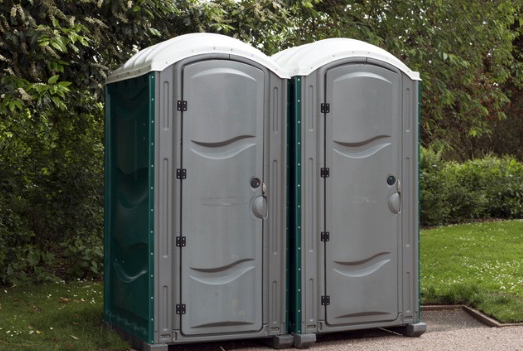
Durable, single-unit restroom with ventilation, an “In-Use” locking mechanism, and a hand sanitizer dispenser. A practical, sanitary solution for construction sites, events, and outdoor gatherings.
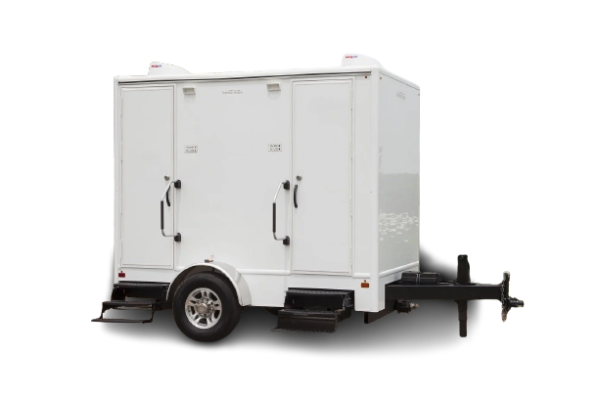
Multi-stall facility featuring flushing toilets, sinks with running water, interior lighting, and climate control. Perfect for weddings, festivals, and VIP events.
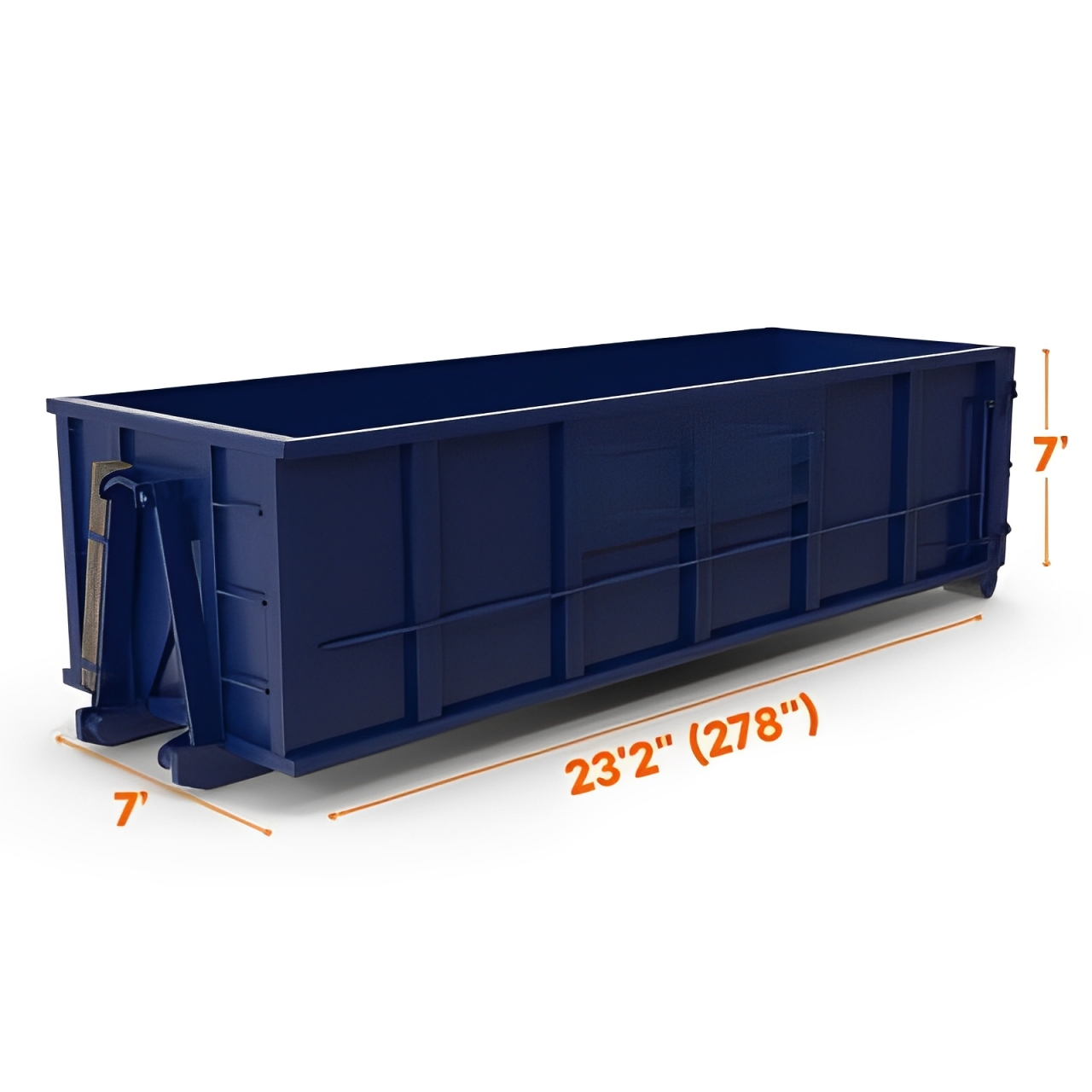
Large, open-top waste containers ideal for construction debris, home renovations, and cleanouts. We offer sizes ranging from 16-yard to 40-yard dumpsters to fit any project’s needs, ensuring easy, efficient disposal at your site.
We Proudly Serve
Standard Portable Toilets
Discover top-tier standard portable toilet services across Arizona with Rent-A-Can.
High Rise Portable Toilets
Offering high-rise portable toilets for elevated construction sites in Phoenix, Arizona.
Restroom Trailers
Rent-A-Can in Phoenix provides luxurious restroom trailers tailored for your event needs.
Roll off Dumpsters
Efficient roll-off dumpsters available from Rent-A-Can to keep Phoenix clean and organized.
Septic Tank Cleaning
Dependable septic tank cleaning services by Rent-A-Can, ensuring Arizona stays pristine.
Grease Trap Cleaning
Expert grease trap cleaning services in Phoenix for seamless kitchen operations.
Fencing & Barricades
Rent-A-Can offers reliable fencing and barricades throughout Arizona for all your project requirements.
Residential Storage
Secure residential storage solutions provided by Rent-A-Can, available in Phoenix, Arizona.
Phoenix Event Fencing and More
Our seamless process for obtaining a quote and scheduling delivery for fencing makes life easier for our Phoenix customers. By simply visiting our website, you can effortlessly request a quote using the provided forms located at the top and bottom of each page. Our user-friendly process requires you to fill out basic information such as your name, phone number, and email. With just a few clicks, our buttons throughout the site redirect you to a quote request form, ensuring prompt service. Our efficient system is designed to quickly generate a competitive quote, allowing you to plan and budget effectively. In addition, delivery is tailored to your specific timeline, accommodating both rush and standard requests. This convenience in obtaining a quote and scheduling delivery sets us apart, ensuring families, organizers, and professionals in need of fencing can focus on the event at hand rather than logistics.

In Phoenix, renowned for its outdoor attractions like the Desert Botanical Garden and vibrant events such as the Arizona State Fair, the demand for reliable fencing is vital. Our fencing solutions capture the essence of local charm, offering dependable, aesthetically pleasing products tailored to Phoenix's unique character. Be it an arts festival, an outdoor concert, or a family wedding, our clean and secure fencing seamlessly blends with its surroundings. We take pride in being at the forefront of Phoenix’s event scene, providing fencing that withstands elements while enhancing the guest experience. By using the highest quality materials, we ensure your event at iconic locations like the Phoenix Convention Center is perfectly framed, offering privacy and security without compromising on style. Our commitment to the community and understanding of local needs make us the top choice for fencing in Phoenix. With a focus on customer satisfaction, we ensure our fencing services exceed your expectations, whether it’s for large public gatherings or intimate family celebrations.
Your Premier Fencing Solution When you think of fencing services in Phoenix, our unmatched local expertise and unwavering commitment to excellence come to mind. Our team excels at addressing the varied demands of the Phoenix landscape, providing robust and adaptable fencing solutions tailored to each project's needs. Using high-quality materials and exceptional service, we deliver fencing that both enhances its environment’s beauty and ensures privacy and safety.Why We Lead in Phoenix Fencing Our reputation as Phoenix's leading fencing company comes from our dedication to customer satisfaction and deep understanding of local requirements. By prioritizing client needs and delivering outstanding results, we consistently set the standard for bamboo and chain-link fencing services in the area. Choose us for a partnership that embraces your vision and elevates your project’s success.
Swift Fencing Services for All Your Needs In Phoenix, our fencing services excel in speed and reliability, ensuring your project moves forward without delay. We efficiently assess your requirements and offer solutions customized to your specifications. With prompt deliveries, our fencing materials arrive at your site precisely when you need them, reducing downtime and boosting productivity.Experience Fencing Without the Wait No project in Phoenix is too big or small for our skilled team. From the initial consultation to the final installation, we are committed to fast, reliable service that ensures your peace of mind. We prioritize timely completion, aligning our operations to meet your deadlines with accuracy. Rely on us for a professional experience that keeps your timeline and objectives on course.
Phoenix's Premier Fencing Information
Renting fencing in Phoenix through our streamlined process is simple and straightforward. Start by visiting our website, where you'll find forms conveniently located at both the top and the bottom of our pages. These forms require basic details such as your first name, last name, phone number, and email, ensuring we have the necessary information to support your order. For ease of access, 'Get A Quote' buttons are also sprinkled throughout our site, offering direct pathways to initiate your rental process. Once you've submitted your information, our team swings into action, promptly reviewing your request to provide an accurate and competitive quote tailored to your specific needs. This quote process is not only quick but designed to provide clarity regarding costs, timing, and any logistical considerations related to delivery and setup. Our staff is always ready to guide you through any uncertainties, offering personalized support to ensure that your fencing meets your project's unique requirements. Additionally, our website is an excellent resource for further assistance, featuring FAQs and detailed guides about our products and services to aid in your decision-making. We take pride in offering exceptional customer service, so you are always welcome to contact our dedicated team by phone for personalized assistance at any stage of your rental journey. Whether you're organizing an event or need construction site security, our comprehensive approach ensures a seamless customer experience from start to finish.
The delivery timeframe for fencing orders depends on several factors, including the size and scope of the order, as well as our current schedule and location specifics. Generally, once your request is confirmed, we pride ourselves on efficient processing, aiming for a delivery timeline that adheres as closely as possible to your schedule. While standard orders can typically expect a delivery within a few business days, we also accommodate rush orders, ensuring urgent needs are met with a faster turnaround. Our experienced logistics team coordinates closely with customers to determine optimal delivery windows, taking into consideration traffic patterns, site accessibility, and installation requirements. This customized approach not only enhances satisfaction but ensures your fencing arrives ready for installation without unnecessary delay. We recommend early ordering, especially during peak event seasons, to secure your preferred delivery date and time. Open communication is central to our service, and clients are kept informed at every stage of the process. From the moment your order is confirmed until it reaches its destination, you will receive updates and guidance from our team. In cases where unexpected challenges such as weather conditions might impact delivery times, we proactively address potential concerns, offering solutions to minimize any inconvenience. Rest assured that our commitment to reliability means your fencing arrives exactly when you need it, whether you're planning for a special event or setting up a long-term project.
Absolutely, our services are versatile and designed to accommodate a wide variety of events and construction scenarios. Our fencing solutions cater to festivals, sporting events, weddings, corporate gatherings, and family reunions, ensuring safety and privacy are respected no matter the occasion. We pride ourselves on offering a suite of products tailored to fit diverse environments; from luxury restroom trailers and basic porta potties to roll-off dumpsters for waste management. Our fencing and barricades provide essential boundaries and crowd control for public and private events alike, while we also accommodate ADA compliance with our accessible units. Moreover, our portable sinks and hand sanitization stations enhance hygiene and comfort for all attendees, reflecting our commitment to quality service. In construction domains, we extend our offerings with sturdy barricades, holding tanks, and customized solutions that meet site-specific demands. Our adaptability and comprehensive approach enable us to deliver exceptional service and products, consistently meeting the high standards expected by our clients across Phoenix. Choosing us ensures you receive thorough, expert support regardless of event size or complexity, with a focus on making every interaction seamless and customer-centric.
