Fencing offers several eco-friendly advantages that contribute to sustainable practices in various settings. Firstly, many fencing materials, like wood and metal, are recyclable, promoting responsible resource management and reducing landfill waste. In addition, using renewable resources such as sustainably sourced wood supports environmental conservation efforts. Manufacturers often employ eco-friendly production techniques that minimize pollution and energy consumption, further enhancing the environmental benefits of fencing solutions.Temporary fencing solutions typically require minimal ground disturbance, especially important at ecologically sensitive sites or during events that aim to preserve local flora and fauna. The use of local sourcing for materials also reduces carbon emissions associated with transportation, contributing positively to the local economy and environmental footprint.Moreover, fencing can play a role in ecosystem restoration and management. It helps protect fragile habitats from human intrusion, allowing ecosystems to regenerate naturally. By delineating specific areas effectively without the need for permanent structures, fences support the regenerative cycles of nature, promoting biodiversity and habitat preservation.Innovative designs also allow for fences that integrate flora, such as green walls or living fences, which directly contribute to air purification and climate regulation. These installations foster local biodiversity, providing habitats for birds and insects while contributing to the aesthetic appeal of spaces. In essence, using eco-friendly fencing not only fulfills functional needs but also actively supports broader initiatives for environmental sustainability.Furthermore, technological advances in fencing materials, such as composite materials or treated woods, ensure that fencing has long-term durability, thus reducing the need for frequent replacements. This durability means less material is used over time, and the energy and resources required for production are significantly reduced. All these factors highlight how fencing can be integrated into broader sustainability efforts, providing both immediate and long-term environmental benefits.


Fencing Rentals in Peoria, Arizona
Call today for a free quote (602) 353-7526
Fencing
Fast, Easy, & 100% Free To Get Started
Years of Trusted Experience
With over 20 years of experience, our fencing company has become a trusted partner in Peoria. Our commitment to quality and community ties underscore our dedication to customer satisfaction.
Commitment to Quality Service
At our fencing company, we prioritize quality service, ensuring each project is completed to the highest standards. Our team is dedicated to meeting your specific needs with precision and professionalism.
Prompt Delivery Guaranteed
We prioritize timely service, using efficient processes to meet your fencing needs with swift and dependable delivery. Experience peace of mind with our reliable approach.
Reliable Fencing Solutions in Peoria
Call for a Free Quote Today
(602) 353-7526
Our fencing company in Peoria, Arizona, stands as your trusted provider for high-quality, dependable fencing solutions. Locally owned and operated, we take pride in delivering top-notch services designed to perfectly meet our community’s needs. With decades of experience, we provide reliable services for events including construction sites, parties, festivals, and weddings. Our focus on exceptional customer service, combined with our unwavering commitment to quality, truly distinguishes us from the competition. We serve Peoria and surrounding areas, ensuring convenient and timely services for every occasion.

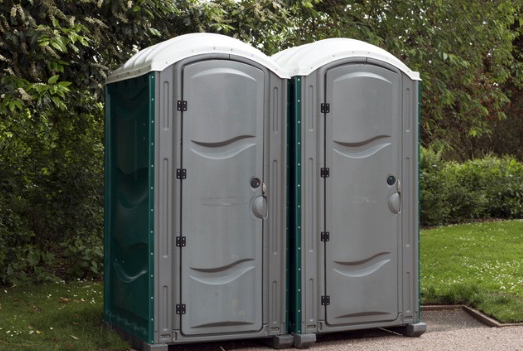
Durable, single-unit restroom with ventilation, an “In-Use” locking mechanism, and a hand sanitizer dispenser. A practical, sanitary solution for construction sites, events, and outdoor gatherings.
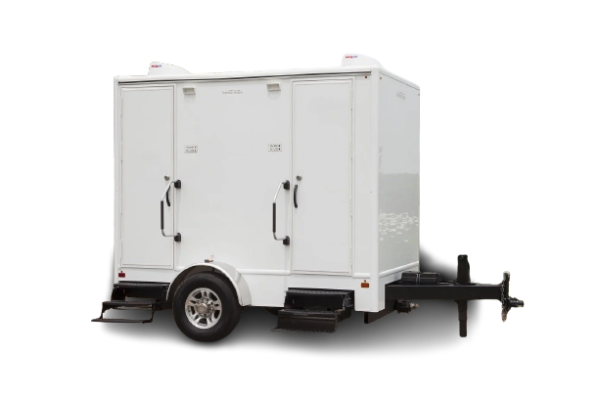
Multi-stall facility featuring flushing toilets, sinks with running water, interior lighting, and climate control. Perfect for weddings, festivals, and VIP events.
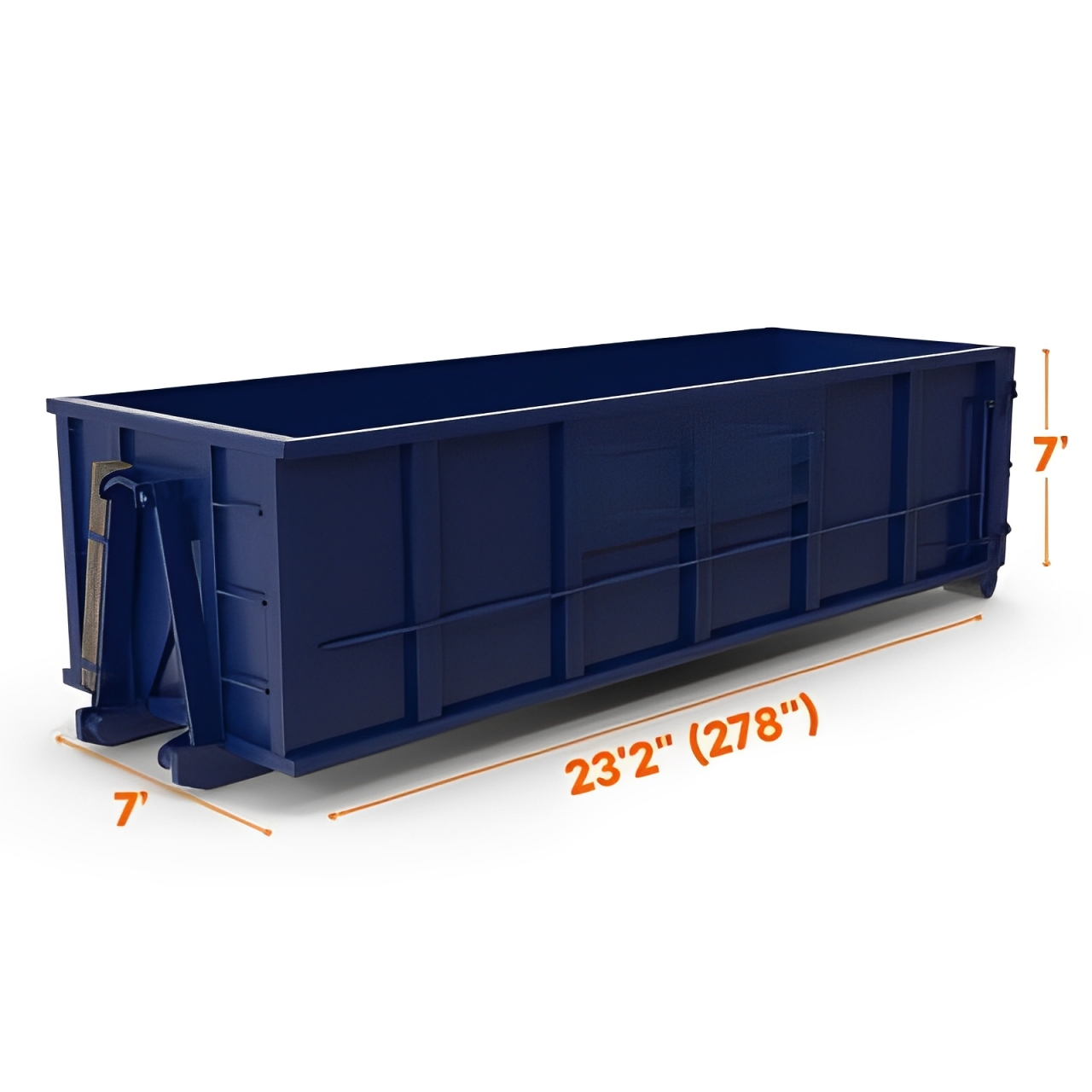
Large, open-top waste containers ideal for construction debris, home renovations, and cleanouts. We offer sizes ranging from 16-yard to 40-yard dumpsters to fit any project’s needs, ensuring easy, efficient disposal at your site.
We Proudly Serve
Standard Portable Toilets
Our Standard Portable Toilets service provides convenient and sanitary solutions to elevate your events in Arizona.
High Rise Portable Toilets
Our High Rise Portable Toilets offer durability and comfort for construction sites in Peoria, Arizona.
Restroom Trailers
Our Restroom Trailers provide luxury and convenience for events in Peoria served by Rent-A-Can.
Roll off Dumpsters
Our Roll off Dumpsters service offers efficient waste management solutions for Peoria, ensuring site cleanliness.
Septic Tank Cleaning
Our Septic Tank Cleaning service delivers reliable sanitation maintenance throughout Rent-A-Can, Arizona.
Grease Trap Cleaning
Our Grease Trap Cleaning service ensures efficient waste disposal and hygiene in Peoria, Arizona.
Fencing & Barricades
Our Fencing & Barricades service provides secure and versatile perimeter solutions across Rent-A-Can, Arizona.
Residential Storage
Our Residential Storage service offers secure and accessible storage solutions in Peoria, Arizona.
Peoria Fencing and More
Getting a quote and arranging delivery for fencing has never been easier. Our streamlined process allows you to request a quote from the comfort of your home or office. Simply fill out our online form, providing details such as your name, phone number, and email, and one of our representatives will get back to you swiftly. Our dedicated team ensures that the delivery is scheduled at your convenience, making the entire experience hassle-free. Whether you need fencing for a construction project or a special event, we are here to provide fast and reliable solutions in Peoria. Our commitment to customer satisfaction extends to every step of our service, guaranteeing that your needs are met with precision and attention to detail.

Peoria, Arizona, offers a unique blend of urban and natural attractions, making it an ideal location for community events and outdoor activities. Our fencing services enhance any occasion by providing clean and reliable barriers that not only ensure safety but also blend seamlessly with the beauty of the environment. Whether it's a community fair, the lively Peoria Music Fest, or a serene wedding by Lake Pleasant, our fencing solutions cater to the distinct local charm of Peoria. Designed to Meet Local Needs: Our fencing is tailored to accommodate the specific requirements of local events, reflecting both functionality and aesthetics. By using high-quality materials, we assure durability and strength, making our fences a preferred choice for Peoria residents and businesses. Our team is dedicated to ensuring that each fencing unit adds value and visual appeal to your event. Commitment to Community Satisfaction: We take pride in supporting community initiatives and events by offering customized fencing solutions that prioritize safety and accessibility. Our services are flexible, designed to adapt to the evolving needs of Peoria's vibrant community activities. Trust us to provide professional, efficient, and friendly services that elevate the overall experience for guests and organizers alike.
As a local leader in the fencing rental industry, we pride ourselves on being the top choice in Peoria. Our commitment to quality, coupled with deep community roots, allows us to offer unparalleled services tailored to the unique demands of the area. From bustling downtown events to serene suburban gatherings, our fencing solutions enhance every occasion with safety and style.Trust Built on ExperienceHaving served Peoria for over two decades, our expertise ensures reliable and adaptable fencing options that align with client expectations and community standards. This experience, along with a dedicated local team, emphasizes our reputation as a trusted partner for both residential and commercial projects.Unmatched Service and QualityOur comprehensive approach means each client receives personalized attention and fencing solutions that hit the mark for quality and efficiency. Whether for a large-scale festival or a private local affair, we ensure every project exceeds expectations with superior craftsmanship and outstanding service.
Our company excels in providing fast and reliable fencing services across Peoria. From initial consultation to final installation, our efficient processes guarantee prompt and satisfactory outcomes. Our expert team prioritizes customer communication, ensuring that every detail aligns with your project needs.Achieve Timely SolutionsUnderstanding the importance of meeting deadlines, we offer quick turnaround times without compromising on quality. Our streamlined operations and local knowledge enable us to respond swiftly to service requests, facilitating the seamless deployment of fencing units.Your Time, Our PriorityReliability is at the heart of our service, with a focus on delivering solutions that accommodate your schedule and project timeline. Trust us to provide not only durable and effective fencing solutions but also a service experience that respects your time and enterprise, keeping you well-informed every step of the way.
Explore Peoria's Premium Fencing
Renting fencing in Peoria is a straightforward process designed to be as convenient as possible for you. To get started, simply navigate to our website where you will find easy access to our online forms. These forms, conveniently located at the top and bottom of each page, require you to fill in basic information such as first name, last name, phone number, and email. This information enables our customer service team to understand your requirements and provide you with a tailored quote.On our pages, you'll also notice 'Get A Quote' buttons strategically positioned for quick access. Clicking on these buttons will guide you through requesting a quote, streamlining the process and ensuring all necessary details are captured to fulfill your request effectively. Our team is dedicated to providing a prompt response to all inquiries, ensuring that your fencing requirements are addressed swiftly.Once you have submitted your information, our professional team will evaluate your needs and reach out with a comprehensive quote, detailing the best solutions tailored to your event or project. Whether it's temporary fencing for a construction site or barricades for an outdoor event, our diverse range of options will cater to your specific needs, all while ensuring compliance with local regulations.Every interaction is geared towards providing you with a seamless experience, from initial inquiry to equipment delivery and setup. We guarantee reliability and efficiency, backed by our extensive experience in serving Peoria's fencing needs. Choose our services for high-quality materials, expert installation, and unparalleled customer support that ensures your peace of mind.Our commitment to satisfying clients extends to after-service support, ensuring any queries or follow-ups are handled with the same level of dedication. By choosing us, you can rest assured of a hassle-free renting experience, backed by competitive pricing and detailed customer care that aligns with your expectations and contributes positively to the success of your project.
Understanding the typical delivery timeframe for fencing orders is crucial for effective planning and execution of your project. Once you have confirmed your order with us, we prioritize a streamlined process to ensure prompt delivery, typically within 24 to 48 hours. This quick turnaround is fundamental to our service promise, aligning with the fast-paced requirements of most construction and event-related projects.Our team coordinates closely with you to determine the most suitable delivery window, taking into consideration your specific time constraints and project logistics. The flexibility in our schedule aims to cater to urgent requests as well as predetermined setups, guaranteeing that our fences are in place exactly when needed.Efficient communication is central to our operations, meaning you will be regularly updated on the status of your order from dispatch to arrival. This transparency extends to any unforeseen delays, ensuring that you are informed and able to plan accordingly. Our commitment to reliability assures you that regardless of external factors, we remain dedicated to fulfilling your order on time.For larger or specialized orders, the lead time may vary slightly to account for the logistics involved, yet we maintain the same level of efficiency and clarity in communication. Our infrastructure and experience in handling diverse orders across Peoria and surrounding areas equip us to manage multiple deliveries while maintaining top-notch service quality.The typical delivery timeframe reflects our pledge to customer satisfaction, and we aim to exceed expectations at every stage. By choosing our fencing services, you invest in a partnership that prioritizes your timeline, adheres to the highest standards of operational excellence, and guarantees a smooth, successful installation.Whether for immediate needs or planned projects, our delivery services are tailored to offer the best solutions, cementing our reputation as a leader in the fencing industry. Trust us for your fencing needs, where punctuality and professionalism meet innovation and care.
Yes, we can absolutely service your event or construction site. Our company is equipped to handle all types of events and construction services, ensuring that every occasion has the appropriate fencing and facilities required. From high-profile festivals and bustling sporting events to the intimacy of weddings and corporate gatherings, our vast inventory of products meets a wide variety of needs.We offer luxury restroom trailers, standard porta-potties, roll-off dumpsters, and durable fencing and barricades, each customizable to fit the specific layout and requirements of your event or construction site. Additionally, our services include holding tanks, ADA-compliant units, portable sinks, and hand sanitizer stations, guaranteeing a comprehensive solution wherever needed.Your special events deserve meticulous attention, and we provide detailed planning and support to ensure everything runs smoothly. Whether accommodating a family reunion or staging a large-scale public celebration, our reliable products and expert team handle the logistics, so you can focus on your event.For construction services, our temporary fencing solutions offer security and organization, safeguarding the perimeter of your workspace and ensuring compliance with local regulations. Our timely delivery and professional installation ensure that your site remains operational, efficient, and secure.The versatility of our offerings and our commitment to quality make us an ideal partner for events and projects of any size, entrusted by clients for our dependability and comprehensive support. Our satisfied clients across Peoria and beyond are a testament to our ability to enhance the safety and success of any occasion.Choose us for a worry-free experience, where seamless service and superior products align to deliver exceptional results, reinforcing why we are the trusted choice for all your event and construction service needs.
