Fencing offers several eco-friendly advantages that can significantly contribute to sustainable practices. One of the primary benefits is that fencing materials can often be sourced from recycled resources, reducing the demand for new raw materials and lowering the environmental footprint. Additionally, if selected thoughtfully, fences can integrate into their surroundings more naturally, fostering biodiversity by allowing plants to grow around or through them. Unlike synthetic fencing options, those made from natural materials, such as wood or bamboo, are biodegradable, ensuring they won't linger as waste in the environment. Many modern fences are also designed to be reusable, meaning they can be deconstructed and reconstructed in multiple locations, further minimizing waste. Fences can also act as protective barriers against soil erosion, helping to maintain local landscapes and prevent environmental degradation. Lastly, effective fencing techniques can improve land management, which helps in maintaining ecosystems and supporting agricultural efforts sustainably.


Fencing Rentals in Mesa, Arizona
Call today for a free quote (602) 353-7526
Fencing
Fast, Easy, & 100% Free To Get Started
Years of Trusted Service
With over 25 years of experience, we have become a staple in the Mesa community, known for our exceptional quality and reliability. Our commitment to customer satisfaction is unmatched, ensuring you receive the best fencing services in the area.
Unparalleled Quality Service
We deliver top-tier fencing solutions, utilizing only the finest materials to ensure both durability and aesthetic appeal. Our experienced team dedicates itself to offering personalized service tailored to your specific needs.
Efficient and Fast Service
Our streamlined processes ensure prompt delivery and installation of your fencing needs. We are committed to providing quick turnaround times without compromising on quality, making us the preferred choice in Mesa.
Reliable Fencing Solutions in Mesa
Call for a Free Quote Today
(602) 353-7526
In the heart of Mesa, our fencing company shines as a locally owned and operated business, renowned for its dependability and reliability. We proudly extend our services beyond Mesa to the surrounding areas. Our versatile offerings cater to various events, from bustling construction sites and vibrant festivals to memorable weddings and intimate backyard parties. Our fences provide robustness and security and offer easy setup and removal for a seamless client experience. Our dedicated team works diligently, delivering top-notch service that strengthens our reputation as a trusted community partner.

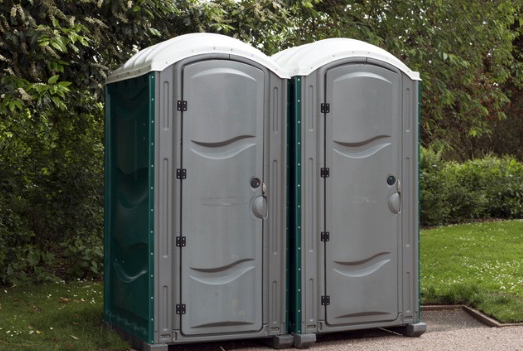
Durable, single-unit restroom with ventilation, an “In-Use” locking mechanism, and a hand sanitizer dispenser. A practical, sanitary solution for construction sites, events, and outdoor gatherings.
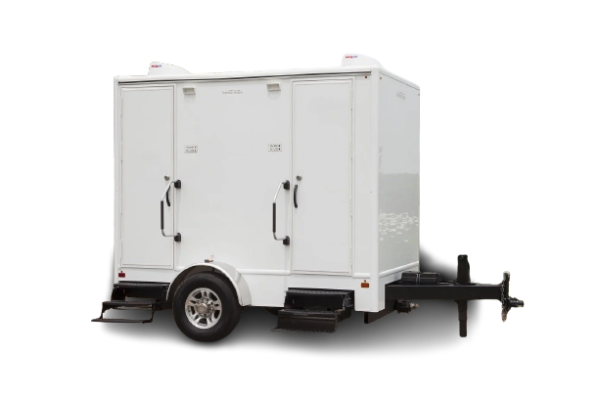
Multi-stall facility featuring flushing toilets, sinks with running water, interior lighting, and climate control. Perfect for weddings, festivals, and VIP events.
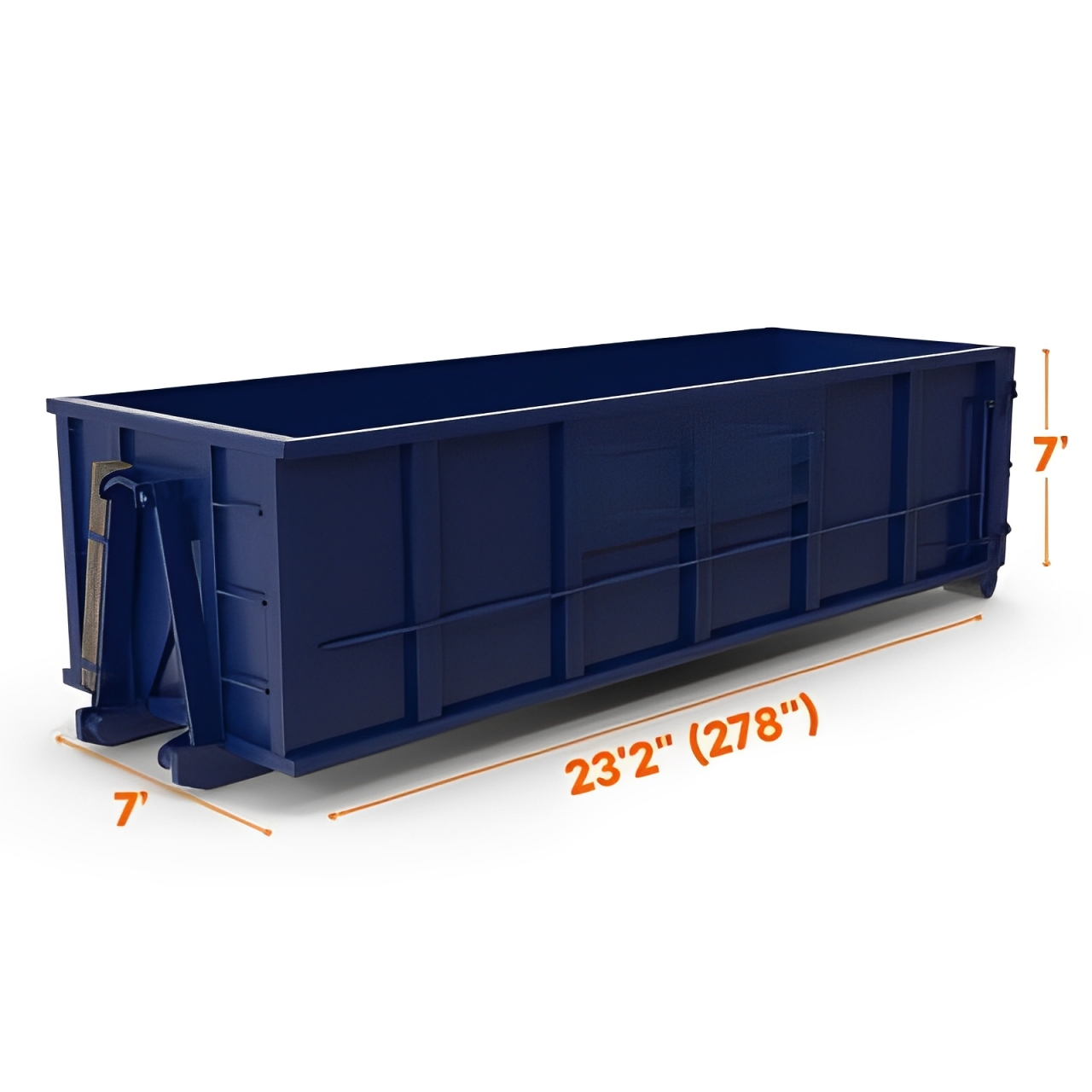
Large, open-top waste containers ideal for construction debris, home renovations, and cleanouts. We offer sizes ranging from 16-yard to 40-yard dumpsters to fit any project’s needs, ensuring easy, efficient disposal at your site.
We Proudly Serve
Standard Portable Toilets
Providing clean, standard portable toilets for diverse occasions across Arizona with Rent-A-Can.
High Rise Portable Toilets
High rise portable toilets perfect for construction sites in Mesa, Arizona.
Restroom Trailers
Luxurious restroom trailers equipped for all events at Rent-A-Can in Mesa.
Roll off Dumpsters
Supplying efficient roll off dumpster services for waste management in Mesa.
Septic Tank Cleaning
Comprehensive septic tank cleaning services for Arizona's Rent-A-Can clientele.
Grease Trap Cleaning
Quality grease trap cleaning ensuring optimal kitchen operations in Mesa, Arizona.
Fencing & Barricades
Durable fencing and barricades services by Rent-A-Can in Arizona.
Residential Storage
Safe and secure residential storage solutions available in Mesa, Arizona.
Mesa Fencing and More
Obtaining a quote and scheduling delivery for our fencing services is remarkably straightforward. Our website features user-friendly 'Get A Quote' buttons conveniently located throughout for easy access. Simply provide your contact details, including your first name, last name, phone number, and email, and our team will promptly assist you with a detailed quote. Our professional staff ensures you receive a thorough consultation, tailored to meet your specific fencing needs, whether for residential or commercial purposes. With a focus on customer convenience, our process eliminates any guesswork, allowing for a seamless transition from quote to delivery. Rest assured, your satisfaction is guaranteed, with our commitment to timely service and competitive pricing.

Experience the local charm of Mesa with our fencing services that seamlessly blend with the vibrant attractions and community events, such as the annual Mesa Arts Festival at the Mesa Arts Center. Our offerings are tailored to enhance any occasion, ensuring security and aesthetic appeal while providing convenient solutions. Whether it's a lively festival at Riverview Park or an intimate wedding, our fences offer clean and reliable options that cater to your specific needs. Being locally rooted, we understand Mesa's unique characteristics and deliver services that resonate with both residents and visitors. With our easy setup and removal process, hosting your event becomes a hassle-free experience, allowing you to focus on enjoying the moment while we handle the rest.
Situated in the heart of Mesa, our fencing company garners acclaim for outstanding service and deep community connections. We focus on delivering more than fences; we provide peace of mind through our dependable services, honed by extensive expertise and dedication.We prioritize understanding and meeting your needs, offering tailored solutions that stand out in quality and reliability, establishing us as Mesa's top choice.Our genuine commitment to customer satisfaction has built our reputation for excellence and trust, reinforcing our position as leaders in the local fencing industry.
Our fencing company is dedicated to delivering quick and reliable services tailored to your urgent needs. By leveraging efficient logistics and a skilled team, we ensure swift delivery and installation of our fencing solutions, minimizing disruption to your schedule.We handle each order with precision and care, emphasizing speed and accuracy while maintaining high-quality standards. Our team is dedicated to surpassing expectations, offering services you can rely on.From initial quote to project completion, we provide a seamless experience, reinforcing our reputation as the trusted choice for fast, dependable fencing in Mesa.
Discover Fencing in Mesa
Renting fencing in Mesa is a straightforward process designed to ensure you receive the best service. The primary step is to complete the online form located conveniently at both the top and bottom of our webpage. Once there, just click on the clearly marked 'Get A Quote' buttons scattered throughout the site for easy access. The form will require you to input basic information such as your first name, last name, phone number, and email address to get started. This streamlined process is intended to connect you quickly with our team, who will provide you with a comprehensive quote tailored to your specific needs. Afterward, our dedicated and knowledgeable staff will guide you through selecting the perfect type of fencing for your particular application, ensuring customization that aligns with your requirements. With everything conveniently managed online, from the inquiry to the final arrangements, the process is efficient and hassle-free, offering you peace of mind and ensuring you have exactly what you need for any event or project.
Understanding the typical delivery timeframe for fencing orders is key to planning any event or project. Generally, our company works with a delivery timeframe of a few business days from the point of order confirmation. However, this can vary based on the size and scale of the project, as well as the specific requirements of your location. We prioritize each order, ensuring a swift response that aligns with our commitment to customer satisfaction. For more urgent needs, we offer expedited delivery options, making it possible to receive your fencing swiftly and efficiently without compromising on quality. Our team communicates transparently regarding timeframes, updating you on the progress and expected delivery times to avoid any inconvenience. Rest assured, our goal is to meet your schedule whenever feasible, providing a flexible service that adapts to your unique timeline requirements.
Yes, we can service any type of event or construction service, ensuring versatility and adaptability in our offerings. Our comprehensive service range includes support for festivals, sporting events, weddings, corporate events, family reunions, and other special occasions. We supply a variety of options to meet event-specific needs, including luxury restroom trailers, porta potties, roll-off dumpsters, fencing, barricades, holding tanks, ADA-compliant units, portable sinks, and hand sanitizer stations. With a focus on delivering quality and reliability, we cater to a wide array of requirements and environments, ensuring that your event or construction site is equipped to the highest standard. Our experienced team is dedicated to providing seamless support, ensuring that logistics are handled effortlessly so you can focus on the event itself. No matter the size or scale, we are equipped to manage your needs with professionalism and excellence.
