Fencing presents several eco-friendly advantages that cater to both environmental and practical needs. One primary benefit is that many temporary fencing options are constructed from recyclable materials like galvanized steel, reducing waste and conserving resources. They are designed to be reused multiple times across different projects, minimizing the frequency of new production. This reuse capability cuts down on excess energy consumption associated with manufacturing processes. Moreover, the modular and versatile nature of temporary fencing allows for quick installation and removal without disrupting the natural environment. Unlike permanent fencing, which can disturb soil structures and local flora, temporary solutions offer a minimal footprint that avoids long-term ecological impact. Fences can be customized to ensure they function efficiently within pre-existing landscapes, reducing the need for additional landscape alterations. This sustainable approach not only saves on cost but also supports green initiatives by ensuring waste is minimized, and materials are consistently kept in circulation. By choosing fence services invested in ecological efficiency, customers contribute to a greater cause, encouraging industry-wide shifts towards environmental responsibility. Opting for providers that prioritize green technologies and practices, ensures you are supporting sustainable business protocols. In sum, fencing stands as an eco-conscious choice in construction and event management, aligning with broader objectives to promote environmental wellbeing without sacrificing utility or effectiveness.


Fencing Rentals in Maricopa, Arizona
Call today for a free quote (602) 353-7526
Fencing
Fast, Easy, & 100% Free To Get Started
Decades of Dedicated Service
With over 20 years of experience in the fencing industry, we are proud to serve Maricopa with dedication and a commitment to quality. Our strong community ties ensure we understand and fulfill the needs of our local customers, providing reliable and exceptional service every time.
Commitment to Quality
We take pride in providing exceptional fencing services that go beyond expectations. Our skilled team guarantees every project meets the highest standards. This unwavering commitment to excellence makes us Maricopa's trusted choice for all fencing needs.
Rapid Delivery Options
Our quick delivery services ensure that you receive your fencing solutions in a timely manner, reducing wait times and increasing efficiency. We prioritize speed and reliability, ensuring your project stays on schedule.
Dependable Fencing Solutions in Maricopa
Call for a Free Quote Today
(602) 353-7526
Discover the premier option for fencing services in Maricopa with our locally owned and operated company. We are committed to dependability and reliability, delivering top-quality fencing solutions for construction sites, parties, festivals, and weddings throughout Maricopa and nearby areas. Our dedicated team understands the unique needs of our community, ensuring every customer receives personalized service and meticulous attention to detail. Trust us to provide secure and aesthetically pleasing fences for any event, seamlessly blending functionality with superior craftsmanship. Our reputation is built on a foundation of trust, quality, and exceptional service, establishing us as the preferred choice for all your fencing needs in the region.

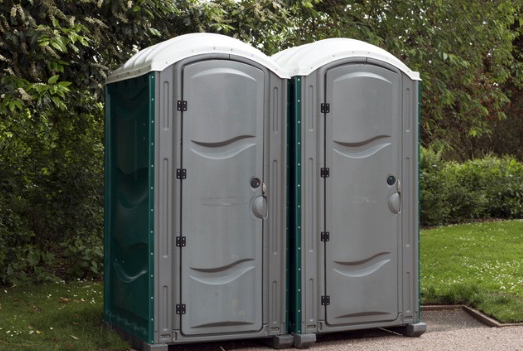
Durable, single-unit restroom with ventilation, an “In-Use” locking mechanism, and a hand sanitizer dispenser. A practical, sanitary solution for construction sites, events, and outdoor gatherings.
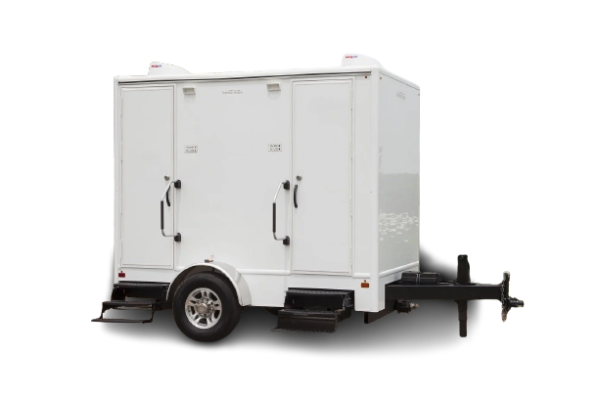
Multi-stall facility featuring flushing toilets, sinks with running water, interior lighting, and climate control. Perfect for weddings, festivals, and VIP events.
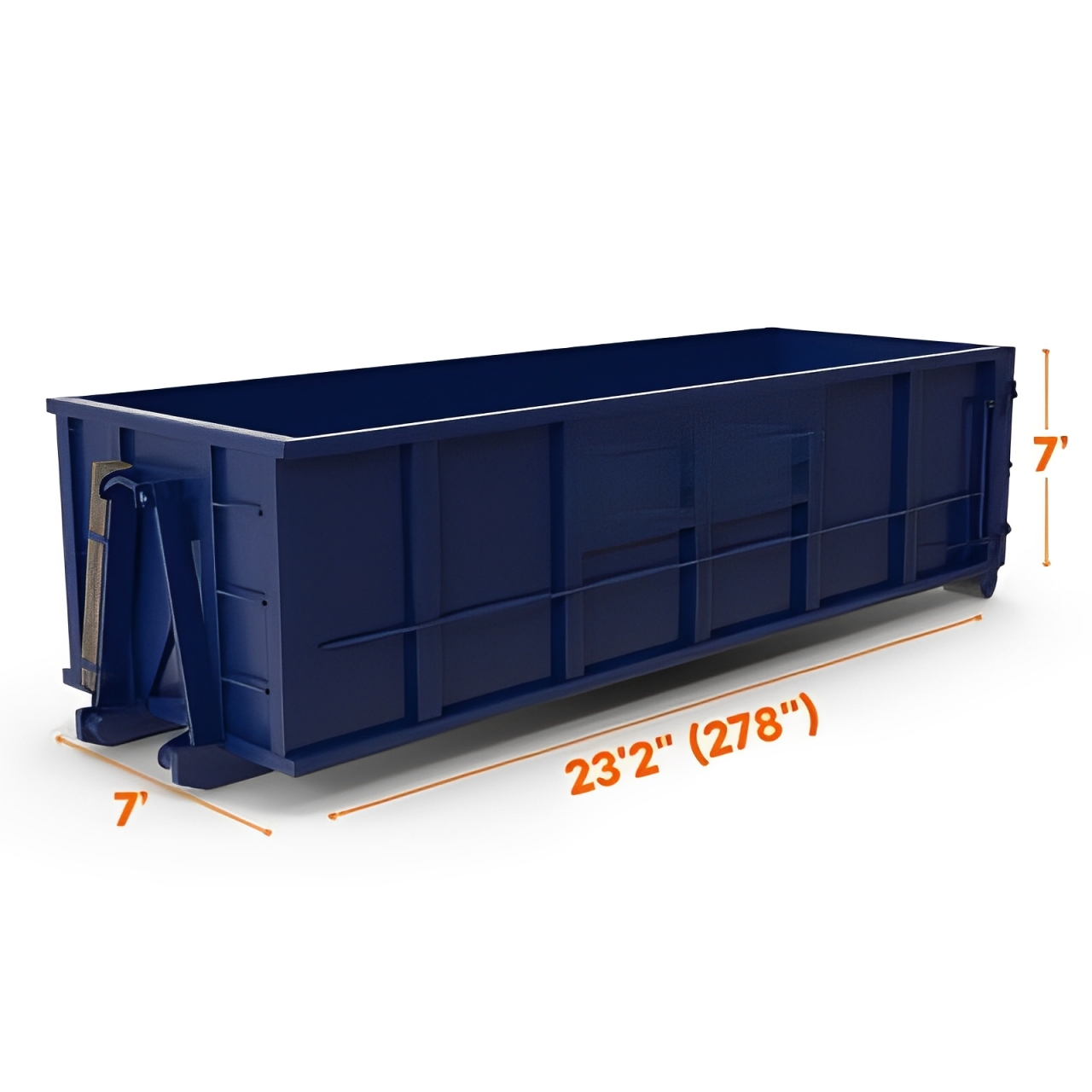
Large, open-top waste containers ideal for construction debris, home renovations, and cleanouts. We offer sizes ranging from 16-yard to 40-yard dumpsters to fit any project’s needs, ensuring easy, efficient disposal at your site.
We Proudly Serve
Standard Portable Toilets
Standard Portable Toilets serving 'Rent-A-Can' in Arizona offer clean, convenient sanitation solutions for any event or project.
High Rise Portable Toilets
Our High Rise Portable Toilets in Maricopa ensure efficiency and ease for workers at lofty construction sites.
Restroom Trailers
Rent-A-Can's Restroom Trailers in Maricopa provide luxury and comfort for events or venues needing high-capacity sanitation.
Roll off Dumpsters
Roll off Dumpsters by Rent-A-Can in Maricopa cater to any waste management needs with efficiency and ease.
Septic Tank Cleaning
Septic Tank Cleaning in Arizona by Rent-A-Can ensures your system functions optimally and remains reliable.
Grease Trap Cleaning
Our Grease Trap Cleaning service in Maricopa ensures restaurants and businesses maintain hygiene and functionality.
Fencing & Barricades
Rent-A-Can's Fencing & Barricades services in Arizona provide secure, temporary solutions for various events and sites.
Residential Storage
Our Residential Storage service in Maricopa, Arizona offers secure and accessible storage solutions for your personal needs.
Maricopa Fencing and More
At our fencing company in Maricopa, we make getting a quote and arranging delivery both swift and straightforward. We recognize your need for efficiency, so we've streamlined our process to provide instant quotes via our website. To get started, simply click on the 'Get A Quote' button prominently displayed on our pages. Our team is ready to offer a detailed estimate tailored to your specific fencing needs. Once you confirm your order, our logistics team ensures prompt delivery by leveraging our local presence, speeding up service. Whether you're hosting an event or securing a construction site, we prioritize your timeline, reducing downtime and ensuring the fencing arrives precisely when required. Our strategic location in Maricopa and our understanding of local logistics allow us to deliver a seamless experience from quote to delivery, setting your project up for success from the outset.

In Maricopa, our Fencing services offer the perfect blend of aesthetics and security, catering to the city's distinctive charm and natural backdrop. With the renowned Copa Central Farmers Market adding vibrancy to the area, Maricopa is a place where any event requires thoughtful planning. Whether you're organizing a community gathering near Copper Sky Regional Park or enhancing an event, our fencing solutions ensure the perfect mix of safety and style. We focus on enhancing your guests' experience by providing fences that complement Maricopa's natural beauty. Proudly offering clean and reliable services tailored to our community's needs, we are here to ensure that your festival, wedding, or outdoor attraction is both convenient and high-quality, making your event truly memorable.
Why Choose Us? In Maricopa, our fencing solutions distinguish themselves through an unwavering commitment to quality and customer satisfaction. Our skilled team ensures we meet your expectations with precision and care. We customize our fences to harmonize with Maricopa's landscapes, delivering both aesthetic appeal and strong protection for projects or events. Drawing from extensive experience, we understand Maricopa's specific needs, enabling us to provide tailored solutions that set us apart. Select us for a service that merges professionalism, community engagement, and exceptional quality.
Fast and Reliable are the cornerstones of our fencing services in Maricopa. Understanding the urgency of timelines, our team is committed to ensuring you get your fencing solutions exactly when you need them. With a well-coordinated logistics team, we guarantee prompt service delivery for every project, be it large or small. Reliability is our signature, as we maintain our promise of superior service and timely execution. Our locally based team ensures that your project is not only delivered on-time but also meets the highest standards of quality, setting us apart in the industry.
Explore Maricopa Fencing Options
Renting fencing in Maricopa is a straightforward process designed to be convenient and efficient for all customers. To begin, potential renters are encouraged to explore our website, where numerous 'Get A Quote' buttons are readily available for immediate access. These buttons take you to a form requiring just a few essential details: your first name, last name, phone number, and email address. This concise form ensures that you'll have a streamlined experience, cutting out unnecessary steps while providing all the necessary information to tailor your fencing needs. Once submitted, our team quickly responds with a personalized quote, covering various options tailored to suit different requirements, whether for temporary events or long-term projects. Our user-friendly online system is designed to guide you effortlessly through each stage, ensuring a hassle-free experience from inquiry to delivery. As soon as your fencing choice is finalized, our dedicated logistics team coordinates to arrange impeccable delivery timings that work best for your schedule, reflecting our customer-first approach. Our robust network in Maricopa allows us to provide a seamless rental experience, complemented by cost-effective solutions that match your budget and specifications. With excellent service and attention to detail at every stage, renting fencing becomes an intuitive process that emphasizes client convenience and satisfaction.
The delivery timeframe for our fencing orders is designed to be as efficient and predictable as possible, ensuring customer projects progress smoothly without delay. Typically, once an order is finalized, the fencing is delivered within a few business days, with precise timing depending on the specific needs and location within Maricopa. Our logistics team ensures every delivery aligns with the customer's schedule, with a focus on minimizing downtime and facilitating project momentum. For construction sites or events with specific time constraints, we offer expedited delivery options to meet urgent demand, prioritizing orders that require immediate setup. Our locally based team possesses deep knowledge of the Maricopa area, enabling us to tailor our service effectively and overcome logistical challenges swiftly. Communication is key, and our team coordinates every order with transparent updates regarding estimated delivery windows and any potential adjustments needed. We aim to not only meet but exceed client expectations, making the entire delivery experience reliable and stress-free. Trust in us means you'll benefit from a dependable timeframe for your fencing needs, reinforcing our reputation as an industry leader in both service quality and punctuality.
We proudly service a wide array of events and construction projects, expertly addressing diverse client needs. From vibrant festivals and intense sporting events to elegant weddings and formal corporate gatherings, our custom fencing solutions ensure both security and enhancement. We offer an array of amenities, including luxury restroom trailers, portable toilets, roll-off dumpsters, portable sinks, and hand sanitizer stations, ensuring thorough site coverage. Our strength lies in accommodating varied requests with customizable options, marking us as a versatile and reliable provider. Whether orchestrating a family reunion or supporting a significant public event, our team delivers high-quality service and exceptional responsiveness. Equipped with a broad range of equipment, we efficiently manage simple to complex setups, ensuring site safety and event success. With an unwavering commitment to excellence, we provide seamless service essential for the success of your project, positioning us as the preferred choice for all event and construction service needs.
