Fencing offers numerous eco-friendly advantages that make it a popular choice for both residential and commercial applications. First and foremost, many fencing materials are sustainably sourced or can be recycled, minimizing the environmental impact. For instance, chain link fences utilize galvanized steel, which is highly durable and recyclable, reducing landfill waste. Moreover, fencing can contribute to energy efficiency in properties by acting as windbreaks or providing shade, thus potentially reducing heating and cooling costs. Additionally, the use of local materials in fencing projects reduces the carbon footprint associated with transportation. Some fencing options, such as wood fences, can be constructed from sustainably harvested woods or even reclaimed lumber, further supporting green building practices. Fencing also plays a role in soil erosion prevention and landscape conservation, particularly on properties prone to environmental degradation. By offering effective barriers, they protect native plant species and prevent wildlife from intruding into vulnerable ecosystem areas. In summary, selecting eco-friendly fencing solutions aids in promoting sustainable development while fulfilling protective and aesthetic functions.


Fencing Rentals in Litchfield Park, Arizona
Call today for a free quote (602) 353-7526
Fencing
Fast, Easy, & 100% Free To Get Started
Years of Reliable Service
For more than 20 years, our fencing company has established a strong reputation for quality and reliability in Litchfield Park. We deeply value our community connections and are dedicated to providing exceptional service, always putting customer satisfaction first.
Unmatched Quality Service
Our fencing company commits to delivering exceptional service, executing each project with the highest standards of quality. We strive to surpass expectations by offering durable, reliable fencing solutions tailored precisely to your specific needs.
Fast and Efficient Delivery
We guarantee quick delivery times for our fencing services, ensuring that your projects remain on schedule. Our team is committed to providing prompt, professional, and efficient service that meets tight deadlines without compromising on quality.
Professional Fencing Solutions in Litchfield Park
Call for a Free Quote Today
(602) 353-7526
Our fencing company proudly serves Litchfield Park and its surrounding areas, providing dependable and reliable services for a range of events including construction sites, parties, festivals, and weddings. We are a locally owned business that emphasizes excellence in every project we undertake. Our high-quality fencing solutions are tailored to meet the unique needs of each client, ensuring safety, security, and aesthetic appeal. With our comprehensive range of services, you can rest assured that your event will be well-protected and professionally managed. Our team is committed to delivering unparalleled customer satisfaction through our exceptional craftsmanship and dedicated service. Choose us for a seamless, stress-free experience that exceeds your expectations.

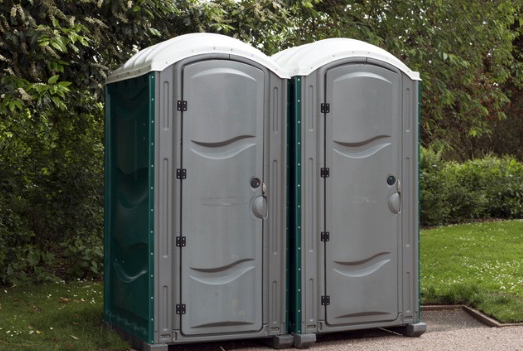
Durable, single-unit restroom with ventilation, an “In-Use” locking mechanism, and a hand sanitizer dispenser. A practical, sanitary solution for construction sites, events, and outdoor gatherings.
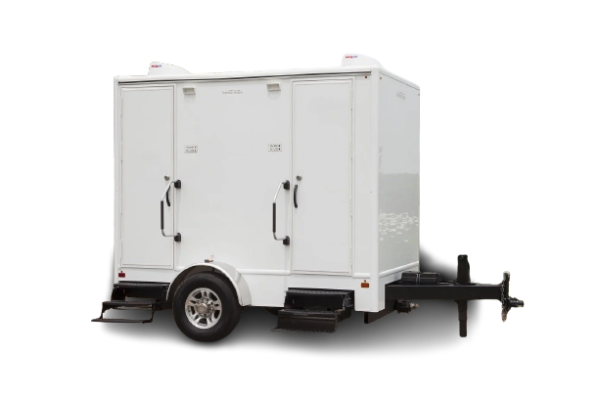
Multi-stall facility featuring flushing toilets, sinks with running water, interior lighting, and climate control. Perfect for weddings, festivals, and VIP events.
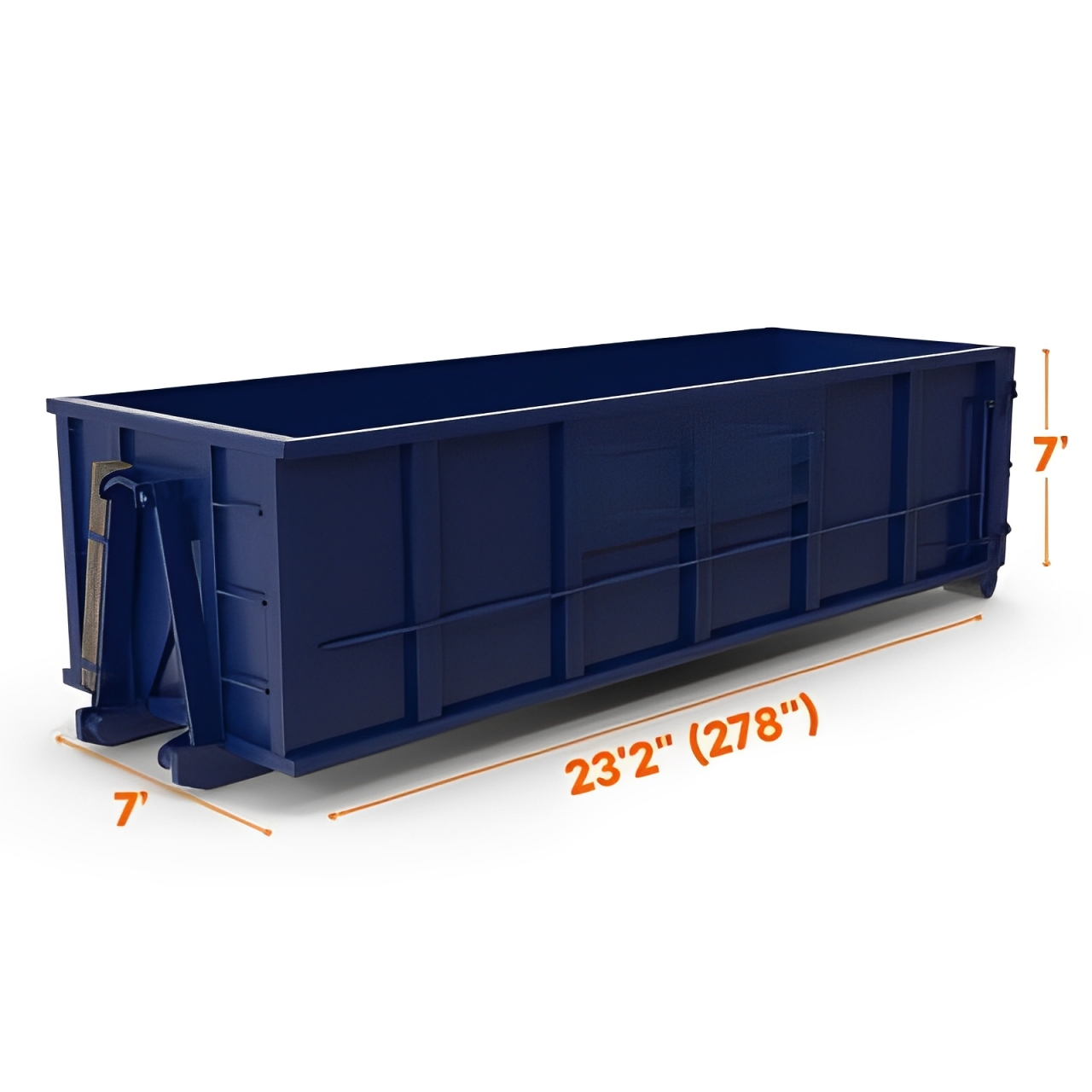
Large, open-top waste containers ideal for construction debris, home renovations, and cleanouts. We offer sizes ranging from 16-yard to 40-yard dumpsters to fit any project’s needs, ensuring easy, efficient disposal at your site.
We Proudly Serve
Standard Portable Toilets
Our Standard Portable Toilets in Arizona offer convenience and cleanliness for residential and commercial events.
High Rise Portable Toilets
Optimize space with our High Rise Portable Toilets, perfectly suited for buildings in Litchfield Park, Arizona.
Restroom Trailers
Our Restroom Trailers in Litchfield Park combine luxury and function for any 'Rent-A-Can' occasion.
Roll off Dumpsters
Rent-A-Can provides Roll off Dumpsters in Litchfield Park, ensuring efficient debris management for any project.
Septic Tank Cleaning
Keep systems flowing smoothly with our Septic Tank Cleaning services at Rent-A-Can in Arizona.
Grease Trap Cleaning
Our Grease Trap Cleaning in Litchfield Park maintains sanitary conditions, delivering clean results for your kitchen operations.
Fencing & Barricades
Providing secure, temporary boundaries, our Fencing & Barricades service is top-notch in Arizona with Rent-A-Can.
Residential Storage
Our Residential Storage solutions offer safe and spacious options in Litchfield Park, Arizona.
Litchfield Park Fencing and More
Obtaining a quote and scheduling delivery for fencing in Litchfield Park has never been easier. Our streamlined process ensures efficiency every step of the way. Simply reach out to us via our website or phone, and our knowledgeable staff will expertly guide you through your options. We're committed to transparent pricing with no hidden fees, giving you a complete understanding before you decide. Our fleet is prepared to tackle jobs of any size, from residential projects to expansive commercial installations, always ensuring timely and professional delivery. Partnering with us means choosing a team dedicated to quality, reliability, and customer satisfaction.

Discover the local charm of Litchfield Park with our top-notch fencing services designed to complement this vibrant community. Perfectly situated amidst the picturesque landscapes and outdoor attractions, such as the iconic Wigwam Resort, our fencing solutions offer the ideal combination of functionality and aesthetic appeal. Whether you're hosting a community event or need perimeter fencing for an engaging festival like the annual Litchfield Park Gathering Arts & Crafts Festival, our services enhance the safety and success of your gatherings. Choose us for reliability and convenience, knowing you're backed by a team committed to excellence. Our skilled professionals provide clean, dependable, and convenient fencing solutions that meet the stringent requirements of any occasion. Fully aligned with the local culture and values, we ensure that our fencing services enhance your events, offering peace of mind and superior quality. Your events deserve the best, and our fencing solutions provide just that. With our deep understanding of Litchfield Park's unique needs, we are ready to deliver fencing that stands up to and exceeds expectations. Enjoy the benefits of working with a team that prioritizes community connections and supports local events with professionalism and care.
Choose the best in Litchfield Park for all your fencing needs. Our company shines with an unwavering commitment to excellence and extensive experience in providing top-tier fencing solutions. With us, you receive unmatched quality and reliable service.Our deep roots in the community are evident in every project we undertake. We proudly enhance local events and projects with fencing solutions that are both durable and stylish. No matter your needs, we are equipped to deliver solutions that exceed your expectations. Trust our expertise and local connections for a seamless and satisfying experience.Your satisfaction is our priority. By choosing us, you partner with a company that values transparency, efficiency, and personalized service. We offer not just products but a complete partnership in realizing the full potential of your projects, from initial inquiry to final installation.
Experience swift and reliable fencing solutions from our esteemed company, catering to the distinct needs of Litchfield Park. Our efficient processes ensure that you receive the fencing support you need without delay.Your project timelines are essential, and we respect that urgency. Our team is adept at providing fast, reliable installations that maintain the high standards you're accustomed to. With our responsive service, we help keep your projects running smoothly, with minimal disruption while maximizing impact.Rely on us for peace of mind, knowing that your fencing demands are met with precision and professionalism. We're committed to being the partner you can depend on, providing timely solutions that are both effective and long-lasting.
Learn More About Our Fencing in Litchfield Park
Renting fencing in Litchfield Park is a straightforward process designed to accommodate your needs efficiently. To get started, visit our website and navigate to the Get A Quote forms available at the top and bottom of our pages. These forms require you to input some basic information, including your first name, last name, phone number, and email address. This data helps us contact you promptly with all the necessary details. Our dedicated team emphasizes providing clear and accurate quotes that cover all aspects of your fencing requirements. Alternatively, you can use the Get A Quote buttons strategically placed throughout our pages. Clicking these buttons redirects you to the same convenient forms, ensuring seamless access to our services. Our goal is to make the rental process as hassle-free as possible, allowing you to focus on other critical aspects of your project. With our expertise and commitment to customer satisfaction, you can rest assured that your fencing needs will be met with utmost professionalism and care.
The delivery timeframe for fencing orders depends on several factors, including the order's complexity, the specific requirements, and the delivery location. However, we strive to provide quick and efficient services to ensure timely installations. Typically, once you place your order, our dedicated team processes it promptly, coordinating the logistics to accommodate your schedule. For standard orders, you can expect delivery within a week, ensuring minimal disruption to your plans. We understand that time is of the essence, especially for projects on tight timelines, such as construction or event preparations. Therefore, we offer expedited services for urgent requests, subject to availability and additional charges. Our customer service team is always on hand to discuss your unique needs and provide a precise estimate based on current project loads. Rest assured, our commitment to quality and reliability means that we endeavor to honor our delivery commitments while maintaining high standards of service.
Yes, our company is fully equipped to service all types of events and construction services, ensuring that your specific needs are met with precision and efficiency. We have successfully catered to a wide range of events, including festivals, sporting events, weddings, corporate events, family reunions, and more. Our diverse inventory includes luxury restroom trailers, porta potties, roll off dumpsters, fencing and barricades, holding tanks, ADA units, portable sinks, and hand sanitizer stations, all designed to cater to varying requirements. Our expertise extends to construction services, providing robust solutions that guarantee smooth operations at job sites. We understand the unique challenges associated with different events and construction projects, and our team is adept at providing tailored solutions to meet these challenges head-on. Additionally, our extensive logistics network enables us to deliver and set up equipment promptly, maintaining the seamless flow of your projects. With our comprehensive services, you can focus on the success of your event or construction endeavor, knowing that we have you covered.
