Fencing offers several eco-friendly benefits that make it a popular choice for environmentally conscious consumers. Firstly, many fencing materials, like wood and metal, are recyclable, minimizing waste and promoting sustainable resource use. Recycled materials are often used in the production of new fencing, reducing the need for virgin resources and conserving energy. Furthermore, fencing can contribute to energy efficiency by defining property boundaries that support sustainable landscaping practices. By utilizing fencing, property owners can strategically direct water flow, enhance soil conservation, and reduce erosion. Moreover, certain types of fencing, such as composite or recycled plastic fences, provide a durable and low-maintenance option that avoids the need for chemical treatments, which can be harmful to the environment. These fences are resistant to rot, pests, and weather damage, eliminating the need for harsh varnishes or sealants. Fencing can also offer advantages such as privacy and wind protection, allowing homeowners to maintain more efficient heating and cooling in their homes and reducing energy consumption. Additionally, living fences or hedgerows, composed of intricate plantings, serve as natural fences that offer habitat support, biodiversity benefits, and pollution reduction. These green barriers enhance local ecosystems by providing shelter and food for wildlife. Overall, choosing fencing that considers these environmental aspects can significantly benefit the planet, proving that practicality and responsibility can go hand in hand.


Fencing Rentals in Gila Bend, Arizona
Call today for a free quote (602) 353-7526
Fencing
Fast, Easy, & 100% Free To Get Started
Years Of Excellence
With over twenty years of experience, our fencing company is deeply embedded in the Gila Bend community. We are committed to delivering quality that exceeds expectations, ensuring each project reinforces our reputation for reliability and excellence.
Unmatched Quality Service
We unwaveringly prioritize quality, placing customer satisfaction at the core of our operations. Our premium fencing solutions ensure each installation withstands the test of time with enduring excellence.
Swift and Efficient Delivery
We take pride in delivering fencing solutions both swiftly and efficiently. From your initial inquiry to the final installation, our streamlined processes ensure rapid turnaround without sacrificing quality.
Durable Fencing Solutions in Gila Bend
Call for a Free Quote Today
(602) 353-7526
Located in the heart of Gila Bend, our Fencing company stands as a beacon of dependability and reliability, offering top-notch services tailored to meet diverse needs. As a locally owned business, we take pride in serving not only Gila Bend but also nearby areas with the same dedication and commitment. Our expert team specializes in providing high-quality fencing solutions for various events, from bustling construction sites to elegant weddings, vibrant parties, and dynamic festivals. Our reputation is built on many years of delivering satisfaction to our clients by ensuring smooth, efficient, and timely service. Choose us for a seamless experience in securing and enhancing your event spaces. Whether for aesthetic or security purposes, our Fencing solutions are designed to meet your unique requirements. Trust us to bring the expertise and local touch that sets us apart.

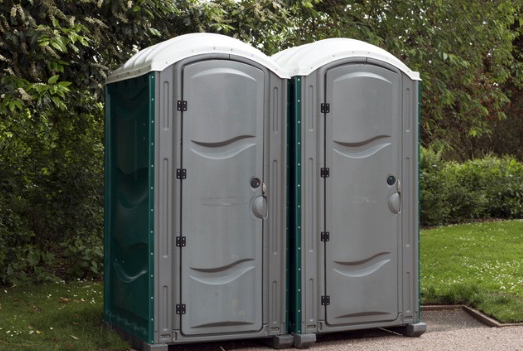
Durable, single-unit restroom with ventilation, an “In-Use” locking mechanism, and a hand sanitizer dispenser. A practical, sanitary solution for construction sites, events, and outdoor gatherings.
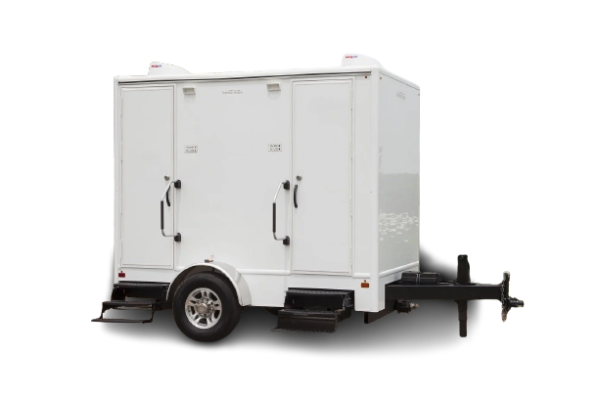
Multi-stall facility featuring flushing toilets, sinks with running water, interior lighting, and climate control. Perfect for weddings, festivals, and VIP events.
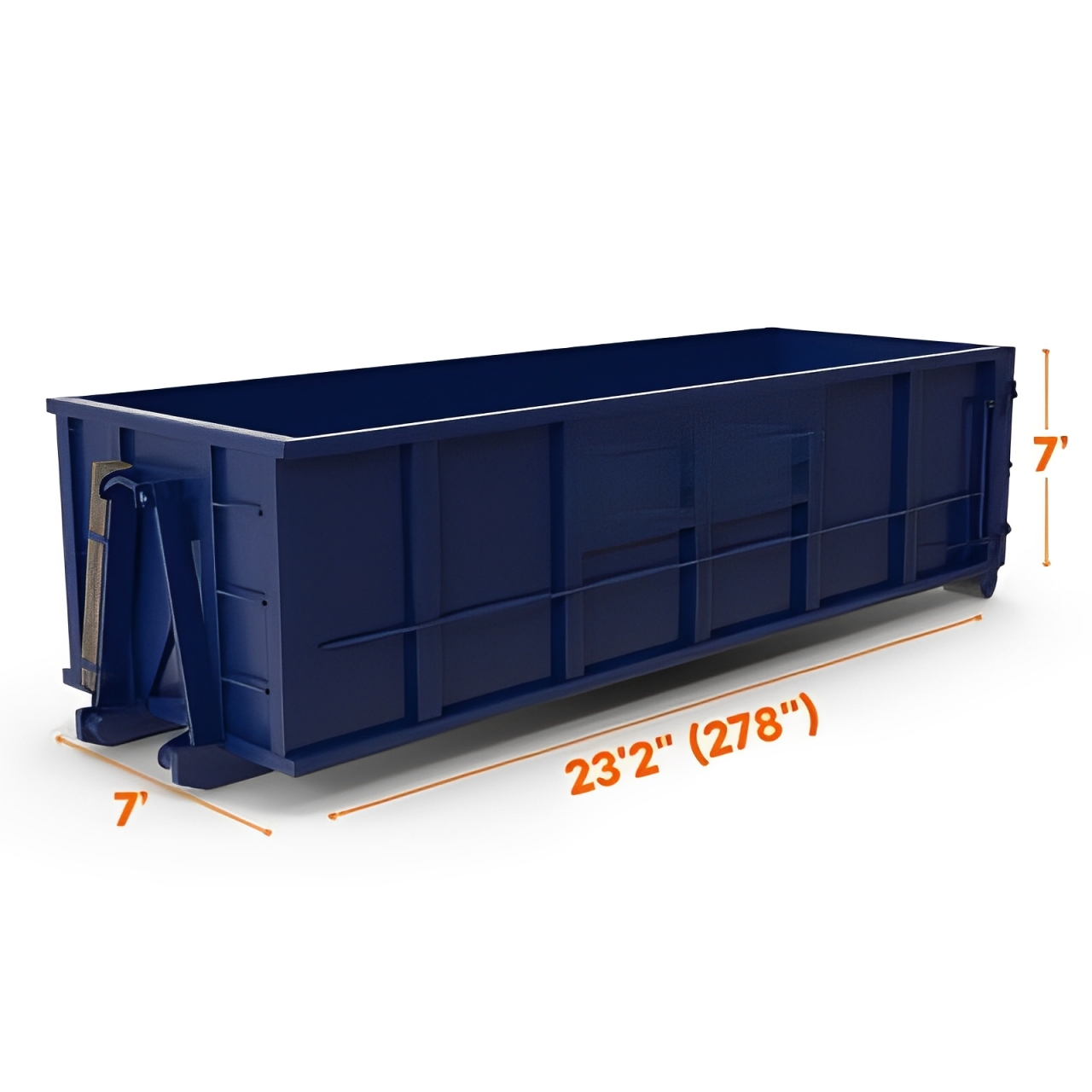
Large, open-top waste containers ideal for construction debris, home renovations, and cleanouts. We offer sizes ranging from 16-yard to 40-yard dumpsters to fit any project’s needs, ensuring easy, efficient disposal at your site.
We Proudly Serve
Standard Portable Toilets
Rent-A-Can offers reliable Standard Portable Toilets across Arizona, ensuring cleanliness and convenience for any event.
High Rise Portable Toilets
Our High Rise Portable Toilets in Gila Bend provide elevated convenience and practicality for construction sites.
Restroom Trailers
Rent-A-Can's Restroom Trailers in Gila Bend offer fully equipped mobile facilities for any outdoor event.
Roll off Dumpsters
Rent-A-Can's Roll off Dumpsters in Gila Bend ensure easy and efficient waste management solutions for all projects.
Septic Tank Cleaning
Rent-A-Can in Arizona provides expert Septic Tank Cleaning services to keep your systems functioning optimally.
Grease Trap Cleaning
Our Grease Trap Cleaning service in Gila Bend ensures commercial kitchens stay compliant and operate smoothly.
Fencing & Barricades
Rent-A-Can Fencing & Barricades offer robust solutions for secure perimeters in any Arizona event.
Residential Storage
Secure your space with our Residential Storage solutions in Gila Bend, Arizona for hassle-free organization.
Gila Bend Fencing and Beyond
Obtaining a quote and scheduling delivery for your fencing needs has never been more convenient in Gila Bend. Our streamlined process begins with a simple online form, where essential details like your first name, last name, phone number, and email are gathered. Strategically placed 'Get a Quote' buttons on our website ensure seamless navigation to the quotation process. This user-friendly approach means you're just a few clicks away from securing the finest fencing solutions tailored to your specific needs. Once you've entered your details, our dedicated team promptly assesses your requirements to provide a competitive and transparent quote. We understand the importance of quick turnarounds in today's fast-paced world, and our efficient service ensures that your fencing arrives on time. With a deep commitment to customer satisfaction, we aim to exceed your expectations by delivering not just a product but an experience that is smooth, simple, and tailored to your specifications.

Gila Bend is not just a location; it's a vibrant community bustling with outdoor attractions, cozy local charms, and events that bring people together, such as the annual Butterfield Stage Days celebration. Our fencing services play a crucial role in enhancing these experiences by providing safe, reliable, and aesthetically pleasing solutions for various events. Whether you're planning a festival, wedding, or community event, our fencing options offer both functionality and style. With a focus on local appeal, we understand the unique characteristics of Gila Bend, from scenic landscapes to lively gatherings like those at the Gila Bend Community Center. Our fencing complements these settings, adding security and order without compromising the area's natural beauty. Choose our fencing for your next event and experience how local expertise, attention to detail, and responsive service can make all the difference in creating memorable and successful occasions.
Our fencing company is your top choice in Gila Bend for several reasons. We combine local expertise with high-quality materials to deliver solutions that exceed expectations every time. Being part of the community allows us to understand the needs of residents and businesses fully, resulting in a personal touch and customizability that national providers can't match. Our commitment to excellence ensures that our fences not only provide security and privacy but also enhance the beauty and usability of any space. Contact us today to discover how our dedicated team and superior products can serve your fencing needs better than anyone else in the area.
Our company stands out in Gila Bend for providing fast and reliable fencing services. With a dedicated team and state-of-the-art equipment, we ensure that every project meets our high standards for speed and precision. Our reputation for efficiency means you can have peace of mind knowing your fencing needs will be addressed promptly. We maintain clear communication throughout the entire process, ensuring you stay informed and confident in the services provided. Choose us for your fencing needs and benefit from a service that prioritizes timeliness, reliability, and thorough attention to detail.
Explore Our Fencing in Gila Bend
Renting fencing in Gila Bend is a straightforward process with our user-friendly system designed for convenience and speed. First, navigate to our website and locate the 'Get a Quote' buttons positioned throughout the pages. These will guide you to the necessary forms, found at both the top and bottom of the page, which require basic personal information such as your first name, last name, phone number, and email. By filling out and submitting this form, you initiate the process and ensure our team can promptly address your specific fencing needs. Once your details are submitted, we will quickly assess your requirements and reach out with a competitive quote tailored to the scope and scale of your project. Our team prides itself on responsiveness, ensuring that your inquiries lead to timely actions. Whether for events, construction, or personal needs, our service is structured to provide seamless, hassle-free experiences. Additionally, our knowledgeable staff is always ready to assist with inquiries or questions you might have during the process, ensuring clarity and confidence every step of the way. We value your time and are committed to providing efficient solutions, letting you focus on the successful execution of your projects.
Understanding the urgency and planning that goes into event preparation, we prioritize a quick delivery timeframe for all our fencing orders. Typically, once an order is placed, we aim to have the fences delivered within a few business days, often adjusting to accommodate your specific schedule needs. This rapid turnaround start with a comprehensive and straightforward ordering process. Upon receiving your order and any requisite details, we dispatch teams to gather and prepare the necessary materials, ensuring everything is in perfect condition and in readiness to meet your requirements. Our logistics team operates with a high degree of synchronization, coordinating the swift movement of fencing parcels from our warehouse to your designated location around Gila Bend. Moreover, understanding that each customer has unique timetables and access parameters, we offer flexible delivery options that allow you more control over timing. In rare cases where immediate delivery isn't feasible due to pre-existing high demand, our team provides prompt communication detailing realistic yet satisfactory alternatives. With our extensive stock and numerous delivery vehicles, our commitment is to ensure that your fencing needs are met sustainably and reliably, helping you to get your projects off the ground with minimal delay.
We efficiently manage a variety of events and construction services with our high-quality offerings. Whether orchestrating a sprawling festival requiring extensive perimeters or an intimate wedding seeking elegance and security, we possess the skills to fulfill diverse needs. Our expertise extends to corporate events and family reunions, ensuring each occasion runs smoothly and seamlessly. Our inventory encompasses luxury restroom trailers, well-maintained porta potties, roll-off dumpsters, Fencing, barricades, holding tanks, ADA units, portable sinks, and hand sanitizer stations. We keep each product in prime condition to ensure cleanliness, reliability, and operational excellence. Maintaining open communication with clients is our top priority, enabling us to tailor our services to the unique requirements of your event setup. By choosing us, you select a partner that aligns its efforts with your success, providing not just convenience but also the peace of mind that accompanies a hassle-free experience.
