Fencing solutions are inherently eco-friendly, offering several advantages for both the environment and the end-user. Firstly, the materials used in the creation of fencing, such as wood and metal, are often sourced from sustainable and recyclable sources, which helps minimize environmental impact. Additionally, fencing effectively delineates spaces without significant interference with the natural landscape, allowing local flora and fauna to coexist peacefully without disturbance.The low maintenance nature of many modern fencing solutions means that they require less frequent replacements and repairs, reducing the amount of waste produced over their lifespan. Moreover, some fencing types, like vinyl or recycled metal, are crafted to be extra durable and long-lasting, further conserving resources by reducing the need for new material production.Fencing also plays a pivotal role in the conservation of resources such as water and soil by providing essential barriers against soil erosion and controlling water flow in landscapes. This helps protect against overuse and wastage, promoting a balanced ecosystem. Opting for eco-friendly fencing solutions supports environmental sustainability goals and ensures the area's aesthetic charm is maintained without cost to nature.The installation process of many eco-conscious fencing solutions requires minimal machinery and disruption, resulting in a lowered carbon footprint associated with their use. Our fencing options are tailored to align with green building standards, making them a practical choice for environmentally conscious projects. Choosing eco-friendly fencing is a conscious decision that benefits the community, the environment, and property values with its responsible and sustainable use.


Fencing Rentals in Coolidge, Arizona
Call today for a free quote (602) 353-7526
Fencing
Fast, Easy, & 100% Free To Get Started
Decades of Expertise
Celebrating over 30 years in Coolidge, our fencing company is an integral part of the community, known for delivering top-notch craftsmanship and tailored service. Committed to customer satisfaction, we enhance your property's safety and visual appeal.
Exceptional Service Commitment
Our fencing company excels in providing outstanding service through meticulous attention to detail and using premium materials. We ensure every project exceeds expectations, reflecting our dedication to quality and excellence.
Rapid Fence Delivery
Enjoy fast and efficient delivery of quality fencing solutions carefully tailored to fit your timeline. We focus on punctual service to meet your Coolidge project needs with minimal delay.
Secure Fencing Solutions in Coolidge
Call for a Free Quote Today
(602) 353-7526
Discover dependable fencing solutions in Coolidge, Arizona, by choosing our locally-owned company. Our reliable and experienced team provides top-notch services for construction sites, parties, festivals, and weddings. We offer sturdy and adaptable fencing to meet diverse needs across Coolidge and surrounding areas. Trust us for your fencing requirements and enjoy stress-free, professional support tailored to enhance your events.

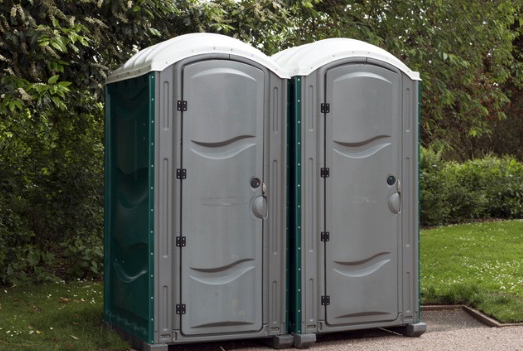
Durable, single-unit restroom with ventilation, an “In-Use” locking mechanism, and a hand sanitizer dispenser. A practical, sanitary solution for construction sites, events, and outdoor gatherings.
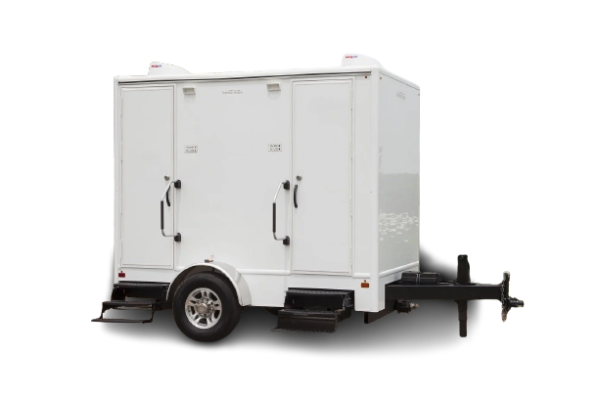
Multi-stall facility featuring flushing toilets, sinks with running water, interior lighting, and climate control. Perfect for weddings, festivals, and VIP events.
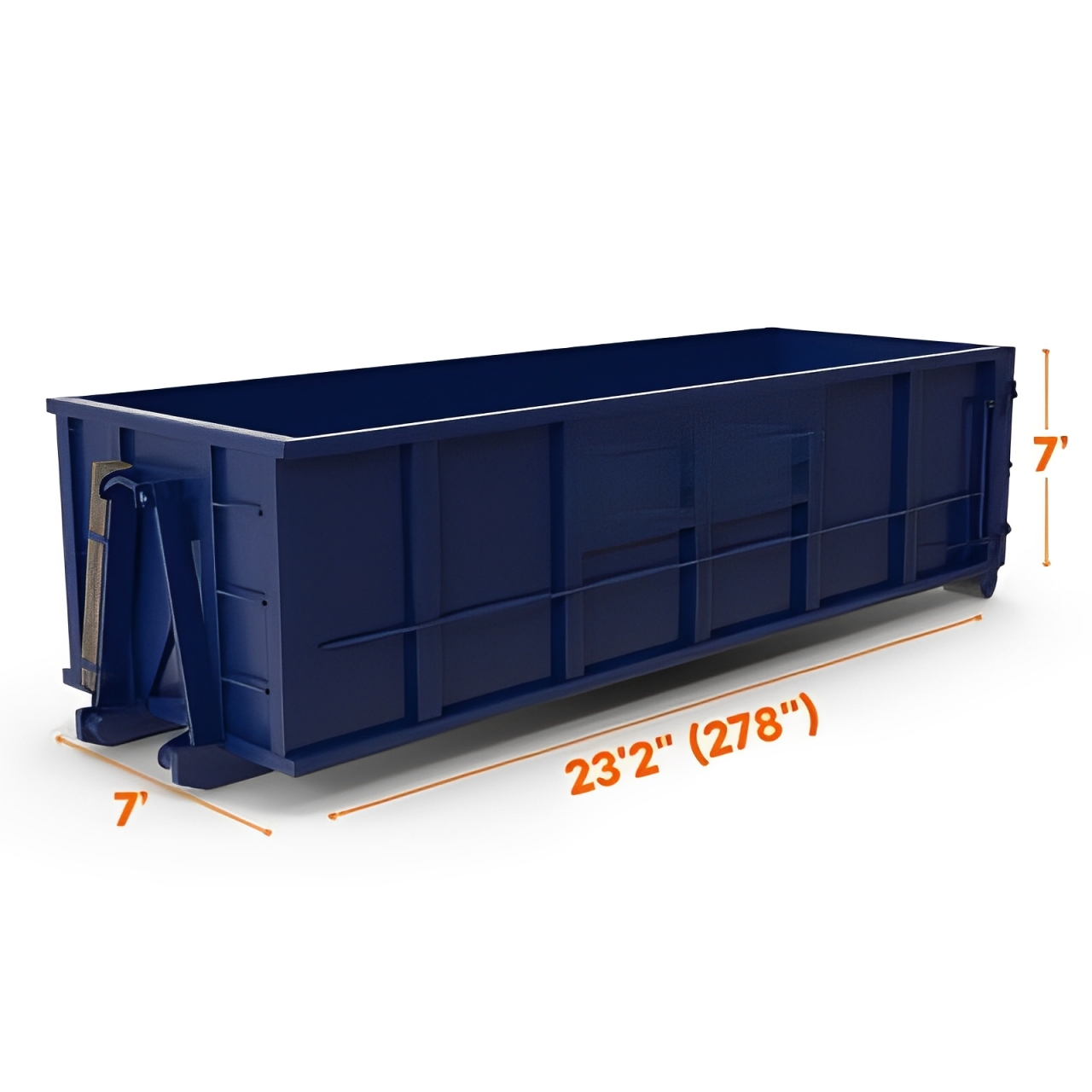
Large, open-top waste containers ideal for construction debris, home renovations, and cleanouts. We offer sizes ranging from 16-yard to 40-yard dumpsters to fit any project’s needs, ensuring easy, efficient disposal at your site.
We Proudly Serve
Standard Portable Toilets
Standard Portable Toilets by Rent-A-Can provide reliable sanitation solutions for any occasion in Arizona.
High Rise Portable Toilets
High Rise Portable Toilets in Coolidge, Arizona, cater to elevated construction sites with ease and efficiency.
Restroom Trailers
Restroom Trailers by Rent-A-Can in Coolidge offer luxury and comfort for events of all sizes.
Roll off Dumpsters
Rent-A-Can in Coolidge provides Roll off Dumpsters for efficient waste management solutions.
Septic Tank Cleaning
Rent-A-Can's Septic Tank Cleaning in Arizona ensures your systems remain clear and operational.
Grease Trap Cleaning
Grease Trap Cleaning by Rent-A-Can in Coolidge keeps your kitchen running smoothly with expert maintenance.
Fencing & Barricades
Fencing & Barricades by Rent-A-Can in Arizona ensure safety and security for your site.
Residential Storage
Residential Storage by Rent-A-Can offers convenient and secure solutions in Coolidge, Arizona.
Coolidge Fencing and More Services
Getting a quote for our fencing services in Coolidge is straightforward and convenient. Simply navigate to our website and locate the 'Get A Quote' buttons strategically placed throughout our pages for easy access. These buttons will direct you to a user-friendly form where you need to provide your first name, last name, phone number, and email. After submitting the form, expect a prompt response from our team who will guide you through the next steps and answer any queries you may have. Delivery of the requested fencing is assured to be timely and efficient, tailored to suit your schedule and preferences. Our professional team handles all logistics, ensuring a seamless process from quote to delivery. Choose us for a reliable and stress-free fencing rental experience that caters specifically to your needs in Coolidge, Arizona.

Coolidge, Arizona, thrives as a vibrant community enriched by local attractions and events like the annual Coolidge Days celebration, where residents come together for fun-filled festivities. Our fencing services enhance these experiences by delivering clean, reliable, and convenient solutions tailored to any occasion. Whether at a community fair, sports event, or near the historic Casa Grande Ruins, our top-quality fencing ensures safety and organization. Designed specifically for Coolidge's outdoor charm, our fencing offers the perfect setup for any event. From residential gatherings to large-scale festivals, we provide adaptable fencing solutions. Reinforce your event's structure with our durable, aesthetically appealing options that blend seamlessly with Coolidge's natural surroundings.
Your Best Choice in CoolidgeOur company stands out as the leading fencing provider in Coolidge because of our unwavering commitment to quality and customer satisfaction. We pride ourselves in offering an extensive range of fencing options, from chain link to elegant privacy fences, to meet the diverse needs of our community. Our expert team ensures flawless installations, ensuring every project enhances the property it serves.By focusing on local appeal and leveraging our deep connection with the community, we ensure every fencing solution we provide is perfectly tailored to the unique charm and needs of Coolidge. Whether enhancing the safety of a construction site or beautifying a residential area, we bring reliable and high-quality solutions that benefit your property and the community.
Dedicated to Fast, Reliable ServiceWe understand the importance of timely service and are committed to providing fast delivery of our fencing solutions across Coolidge. Our streamlined processes enable us to deliver and install fencing efficiently, ensuring minimal disruption to your schedule. Our dedicated team is equipped to handle urgent demands, making sure your project stays on track.With our focus on reliability and quality, you can trust us to provide solutions that not only meet but exceed your expectations. We are here to enhance your property's security, privacy, and aesthetic appeal with our top-notch fencing options.
Discover Our Fencing in Coolidge
Renting fencing in Coolidge with us is a quick and straightforward process. Begin by visiting our website, where you'll find 'Get A Quote' buttons conveniently located throughout the pages. Simply click on one of these buttons to access our user-friendly inquiry form. Here, you'll be prompted to enter essential details, including your first name, last name, phone number, and email. Once submitted, our team will respond swiftly, providing all the necessary information tailored to your specific fencing requirements.Our rental process ensures a seamless and stress-free experience from start to finish. After you've provided your information, our dedicated staff will promptly contact you to discuss your needs, offer expert advice, and finalize your rental agreement. Our priority is to offer a service that is both efficient and accommodating, ensuring you have exactly what you need for your project, event, or personal use.With a wide selection of fencing solutions and prompt customer service, we facilitate a hassle-free renting process that accommodates various needs and deadlines. Secure sturdy, reliable fencing for your site with minimal effort through our streamlined service. Our seasoned professionals are on hand to assist at every step, easing the logistics to guarantee that you receive your fencing solutions promptly. We are committed to providing an easy and efficient rental experience for our Coolidge community, ensuring your satisfaction is met with every interaction.
The delivery timeframe for fencing orders largely depends on the specific project requirements, location, and inventory availability. Typically, we strive to deliver all fencing orders within 3-5 business days from the order confirmation date. However, we understand that urgent needs may arise, and in such cases, we make every effort to accommodate expedited delivery requests to meet your project's timeline.Our professional team works meticulously to ensure that all logistical aspects are executed smoothly, resulting in timely and efficient delivery that aligns with your schedule. For larger or more complex orders, we recommend coordinating with our team well in advance. This ensures ample time for planning and adjustments to guarantee your order arrives on time without any hitches.We pride ourselves on our commitment to flexibility and reliability, offering tailored delivery options when feasible to meet specific requirements. Keeping you informed during the entire delivery process is a priority, and we provide regular updates to ensure transparency and peace of mind.If you have further questions regarding the expected delivery timeframe for your fencing order, please do not hesitate to reach out to our friendly and knowledgeable customer service team. We are here to assist and provide detailed delivery information tailored to your needs. Count on us for timely delivery and exceptional service every time you order from our comprehensive range of fencing solutions.
Yes, we provide comprehensive services for all types of events and construction projects. Our versatile offerings include solutions for festivals, sporting events, weddings, corporate functions, family reunions, and various special occasions. Regardless of the event, our goal is to enhance your guests' experience through our premium fencing and related rental services.Our extensive product line encompasses not only temporary fencing but also luxury restroom trailers, portable toilets, roll-off dumpsters, barracades, holding tanks, ADA-compliant units, portable sinks, and hand sanitizer stations. This diverse selection ensures that we meet a wide range of requirements, catering to both small-scale gatherings and large, complex setups with ease.The breadth of our services positions us to confidently manage the needs of any project, making us the ideal choice for ensuring the success and safety of your event. We understand the unique requirements of various venues and occasions, offering customized solutions that align with your specifications.By choosing us, you benefit from our commitment to exceptional service and quality products that stand up to all expectations. Whether it's ensuring seamless access for all attendees, maintaining clean facilities, or providing effective barriers, we are prepared to assist in every aspect of your event or construction site setup.
