Fencing can play a significant role in promoting environmental sustainability. Unlike permanent structures that often require intensive materials and substantial land alterations, temporary fencing options can be more ecologically sensitive. Temporary fences are typically manufactured with recyclable materials, such as steel or aluminum, which have a higher rate of being repurposed. These materials require less energy to process and can be recycled multiple times with minimal degradation of quality. Furthermore, modular fencing solutions minimize land disruption as they can be easily assembled, relocated, and reused across various sites, thus reducing the need for additional resources each time fencing is required. By opting for temporary or reusable fencing, not only do you minimize material usage over time, but you also decrease the likelihood of contributing to landfill waste. Moreover, by maintaining green zones or untouched land patches around your fencing perimeters, you can provide necessary habitats for local flora and fauna to thrive, further enhancing the ecological balance of the area. Installing fencing carefully to avoid disrupting natural water courses or existing wildlife can also contribute positively to the local environment, exemplifying how responsible fencing choices can lead to broader ecological benefits.


Fencing Rentals in Casa Grande, Arizona
Call today for a free quote (602) 353-7526
Fencing
Fast, Easy, & 100% Free To Get Started
Years of Trusted Service
With over 20 years of experience serving Casa Grande, we have become a trusted name in fencing services. We are committed to quality and community, ensuring each project meets the highest standards.
Unmatched Quality
Our fencing services deliver exceptional quality, completing each project with meticulous precision and attentive care. This dedication to excellence distinguishes us as an industry leader.
Fast and Efficient
We deliver fencing solutions swiftly, meeting your needs promptly. Our efficient and reliable service ensures your projects in Casa Grande, Arizona, remain on schedule.
Fencing Service Solutions in Casa Grande
Call for a Free Quote Today
(602) 353-7526
Located in Casa Grande, our fencing company delivers unparalleled service and reliability. As a locally-owned business, we take pride in offering dependable solutions for construction sites, parties, festivals, and weddings in the surrounding areas. Our team meets all fencing requirements with professionalism, enhancing both safety and aesthetics at any event. Our dedication to quality and customer satisfaction distinguishes us as the trusted choice for fencing solutions in the region. Select us for peace of mind and consistent service quality.

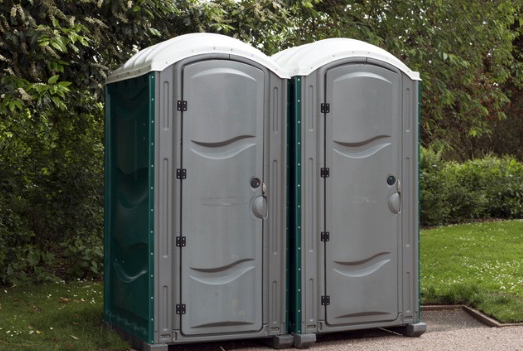
Durable, single-unit restroom with ventilation, an “In-Use” locking mechanism, and a hand sanitizer dispenser. A practical, sanitary solution for construction sites, events, and outdoor gatherings.
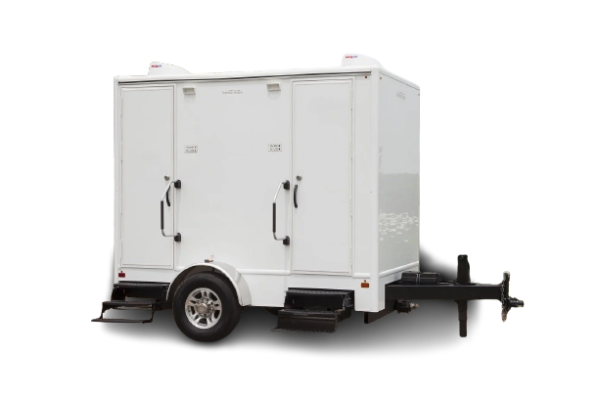
Multi-stall facility featuring flushing toilets, sinks with running water, interior lighting, and climate control. Perfect for weddings, festivals, and VIP events.
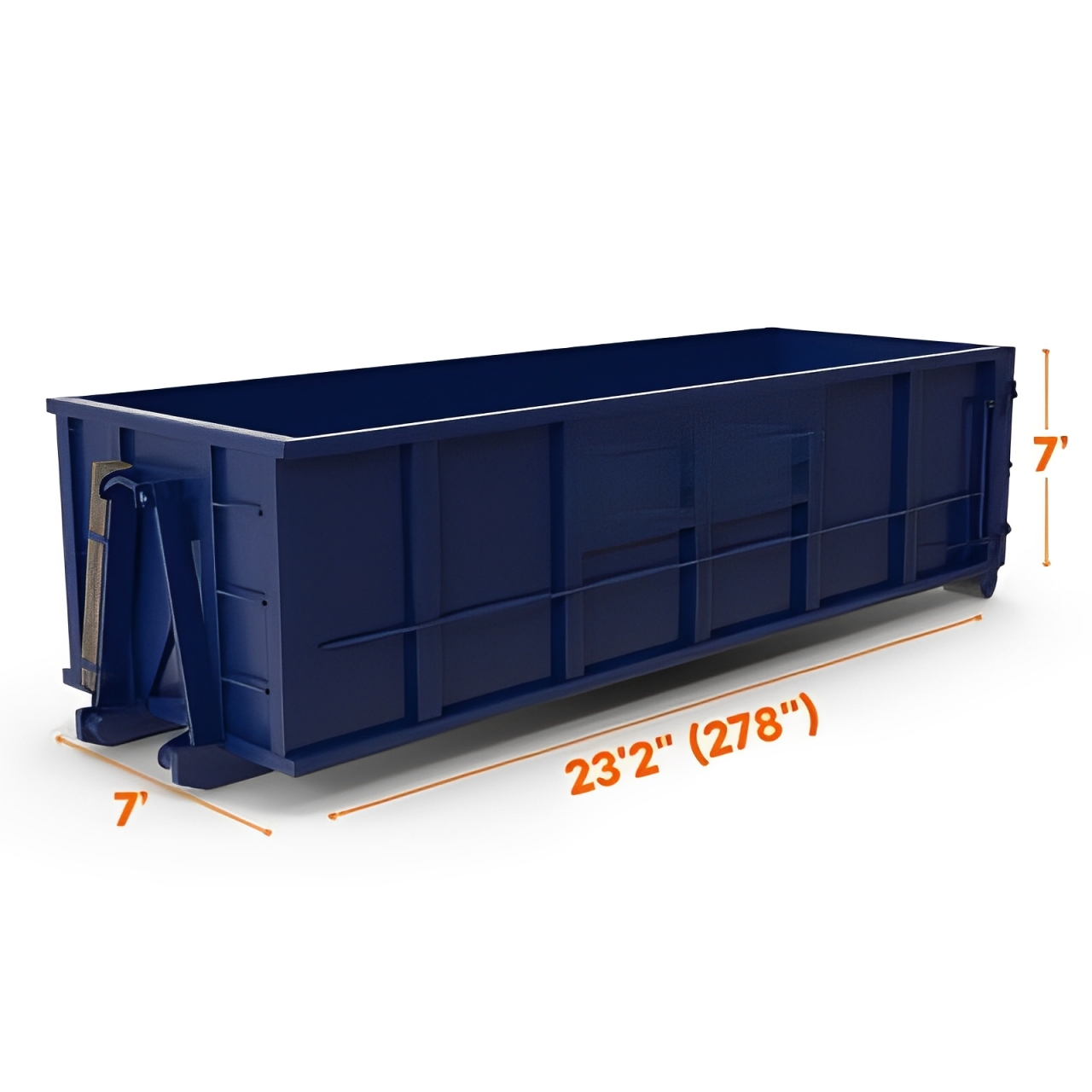
Large, open-top waste containers ideal for construction debris, home renovations, and cleanouts. We offer sizes ranging from 16-yard to 40-yard dumpsters to fit any project’s needs, ensuring easy, efficient disposal at your site.
We Proudly Serve
Standard Portable Toilets
Enjoy reliable and clean standard portable toilets for all events with Rent-A-Can in Arizona.
High Rise Portable Toilets
Our high rise portable toilets provide convenience and cleanliness for multi-story construction sites in Casa Grande.
Restroom Trailers
Indulge in luxury with our elegant restroom trailers, perfect for upscale events in Casa Grande.
Roll off Dumpsters
Rent-A-Can offers convenient, clean roll off dumpsters for all your waste management needs in Casa Grande.
Septic Tank Cleaning
Ensure your septic systems are well maintained with our expert cleaning services throughout Arizona.
Grease Trap Cleaning
Keep grease traps in top condition with our specialized cleaning services in Casa Grande.
Fencing & Barricades
Explore versatile fencing & barricades services for events and construction with Rent-A-Can, Arizona.
Residential Storage
Rent-A-Can offers secure residential storage solutions tailored for Casa Grande residents.
Casa Grande Complete Fencing Solutions
Obtaining a quote and scheduling delivery for fencing has never been easier. Our streamlined online process allows you to request a quote with just a few clicks, ensuring you have all the information needed without delay. Simply fill out our quick and easy form to get started, providing details like your contact information and project specifics. Our customer service team is dedicated to responding promptly, providing a personalized approach to meet your unique requirements. Once you've confirmed your quote, we work efficiently to arrange delivery at a time that fits your schedule. Our drivers are trained to handle site logistics, ensuring timely installations and accommodating any particular site conditions. Whether you're planning a large construction project, a community event, or a private gathering, our fencing solutions are tailored to provide the security and privacy you need. Let us help you bring peace of mind to your event or project with our dependable and convenient fencing delivery services.

Casa Grande, renowned for its rich history and vibrant community spirit, serves as an ideal setting for our specialized fencing solutions. Surrounded by stunning desert vistas and tight-knit neighborhoods, our fences add value to local events and outdoor attractions. Whether for the lively Casa Grande Cowboy Days & O'Odham Tash festival or a tranquil garden wedding, our clean and dependable fencing fits seamlessly. We expertly cater to the unique needs of Casa Grande's residents and businesses, ensuring our installations enhance iconic landmarks like the Casa Grande Ruins National Monument. For residential yards and commercial properties alike, our fences merge functionality with local charm, securing and beautifying every event.
In Casa Grande, selecting our fencing company means choosing top-tier quality and service. With deep local roots, we understand the community's needs intimately, enabling us to deliver exceptional fencing solutions. We proudly offer products that reflect the unique charm and demands of our area, providing everything from durable construction site barriers to elegant event enclosures. Our meticulous attention to detail and unwavering commitment to customer satisfaction make us the leading choice for fencing in Casa Grande.Our dedicated team approaches each project with care and expertise, maintaining our reputation for reliability and excellence. We pledge to provide not just fences but peace of mind, ensuring your properties and events remain secure with us.
Providing fast and reliable fencing services is at the core of our business. We understand the importance of timing, especially for events and construction projects in Casa Grande. Our streamlined processes ensure that from order to installation, every step is handled efficiently. Our well-trained team is equipped to deal with all challenges, offering quick solutions without compromising on quality.We pride ourselves on our ability to adapt to your schedule, ensuring our services match the fast-paced demands of any job. Whether you need temporary fences for short-term projects or long-term solutions, our commitment to speedy, professional service never waivers. Trust us to deliver the fencing solutions you need, precisely when you need them.
Casa Grande Fencing Insights
Renting fencing in Casa Grande is an easy and straightforward process. Begin by visiting our website, where you'll find the necessary forms to request a fencing rental at the top and bottom of the page. These forms will ask you to fill out your first name, last name, phone number, and email. You'll also find several 'Get A Quote' buttons throughout our site. By clicking these, you are directed to our quick and responsive interface that allows for clarity and precision in your requests. Our process is designed to be user-friendly and efficient, ensuring you gather all required information for your fencing needs. Upon submitting the request, a dedicated member of our customer service team will respond promptly to discuss your fencing requirements and provide an accurate quote. From there, we work closely with you to select the best fencing options tailored to your project or event requirements, determining the delivery, installation, and eventual teardown details. Our priority is to streamline the rental experience so you can focus on your event or project, knowing that your fencing needs are professionally managed with care and expertise. This seamless and professional approach to renting fencing makes us the preferred choice in Casa Grande.
Understanding the typical delivery timeframe for fencing orders is crucial to ensuring your project runs smoothly. Upon receiving your order confirmation, our team coordinates quickly to verify stock, schedule delivery, and confirm site readiness. Depending on current demand and availability, most fencing orders are delivered within 3 to 5 business days. However, express delivery options are available for urgent requirements, subject to an additional fee. Our seasoned logistics team is skilled in navigating traffic patterns and adhering to precise delivery windows, thus optimizing our service's efficiency to meet your needs. We strive to minimize any disruptions by working with you to determine the most convenient delivery timescale, confirming all details through advanced notification systems and direct communication. Each delivery is backed by our commitment to timeliness, professionalism, and the thorough preparation that supports the setup process, ensuring the integrity and quality of our fencing solutions upon arrival. Choose our services to benefit from not only our excellent products but also the reliability and predictability that defines our delivery process. Our careful attention to every detail demonstrates why countless clients trust us for dependable fencing solutions, project after project.
Yes, we are fully prepared to handle all types of events and construction projects, regardless of their size or scope. Our extensive array of products and services allows us to meet your specific requirements, whether you're hosting a grand festival or an intimate family gathering. We specialize in luxury restroom trailers, porta potties, roll-off dumpsters, along with fencing and barricades, ensuring every aspect of your event or project is meticulously managed. For corporate events, weddings, and reunions, our ADA units, portable sinks, and hand sanitizer stations enhance convenience and hygiene, underscoring our dedication to quality service and accessibility for all attendees. As a trusted partner in event and construction services, our team is committed to surpassing expectations with timely, professional, and personalized solutions. Regardless of your event or project type, we focus on delivering seamless service that upholds the highest standards of reliability and customer satisfaction.
